Elevating Hygiene and Efficiency with Disposable Microfiber Cloths in Facility Services

In the ever-evolving world of facility management, cleaning practices are being revolutionized to meet rigorous hygiene and efficiency standards. One groundbreaking innovation leading the charge is the adoption of disposable microfiber cloths. These single-use tools are transforming cleaning protocols across industries by enhancing performance, boosting productivity, and significantly reducing contamination risks.

At Shine Facility Services, we’ve fully embraced this innovation, ensuring our clients receive the highest level of cleanliness while addressing today’s most pressing health and safety challenges. Here’s how disposable microfiber cloths are changing the game.

Why Shine Facility Services Chooses Disposable Microfiber Cloths

Our decision to transition to disposable microfiber cloths stems from our unwavering commitment to creating safer, cleaner environments. This cutting-edge solution aligns with modern cleaning demands in these key ways:

  • Reducing Cross-Contamination: Single-use cloths prevent the transfer of pathogens from one surface to another.
  • Superior Hygiene Standards: Capable of removing up to 99.7% of bacteria, viruses, and fungi using just water.
  • Streamlining Operations: Eliminating the need for laundering saves time and resources, enabling teams to focus on effective cleaning.
  • Adapting to Industry Innovations: Advanced, eco-friendly materials make these cloths versatile and sustainable.

What Are Disposable Microfiber Cloths?

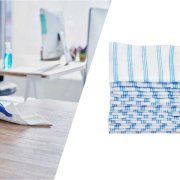
Disposable microfiber cloths are made from ultra-fine synthetic fibers that trap dirt, dust, and microorganisms more effectively than traditional materials. Designed for single use, these cloths are highly absorbent, exceptionally hygienic, and versatile, making them a go-to solution for any cleaning challenge.

Key Benefits of Disposable Microfiber Cloths

  1. Superior Microbe Removal
    Eliminates 99.7% of pathogens, including MRSA, Candida auris, and Pseudomonas aeruginosa, using only water.
    Reduces the spread of bacteria, viruses, and fungi.
  1. Prevention of Cross-Contamination
    Promotes the use of a fresh cloth for every task, ensuring sensitive areas remain uncontaminated.
  1. Compatibility with Disinfectants
    Pairs seamlessly with cleaning agents like quaternary ammonium compounds, bleach, and hydrogen peroxide for enhanced cleaning power.
  1. Adaptability Across Surfaces
    Perfect for tasks ranging from dusting to damp cleaning on surfaces like glass, stainless steel, and more.
  1. Low-Lint Design
    Ensures a streak-free, particle-free finish, critical for sterile environments such as healthcare and laboratories.

Industry Applications: Tailored for Every Environment

Healthcare
  • Protects patients and staff by adhering to strict infection control standards.
  • Reduces the spread of harmful pathogens in sensitive areas like operating rooms and patient spaces.
Hospitality and Food Service
  • Maintains spotless guest rooms, lobbies, and dining areas.
  • Ensures hygienic practices in high-traffic zones and food preparation spaces.
Corporate Offices and Commercial Spaces
  • Keeps desks, keyboards, and other high-touch surfaces germ-free.
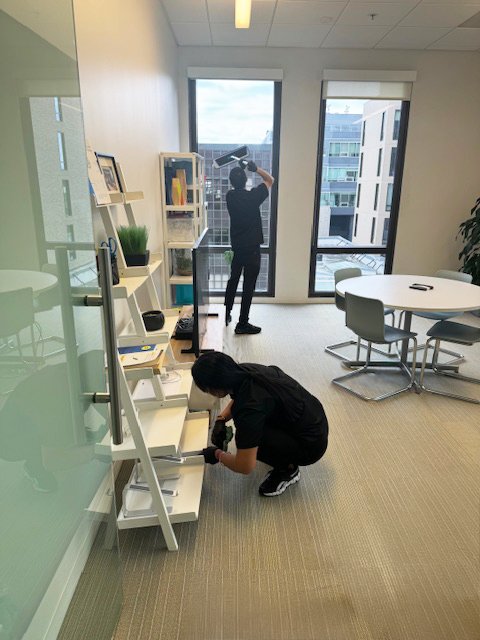
  • Achieves streak-free cleaning on glass and metal, enhancing workplace aesthetics.
Industrial Settings
  • Effectively cleans machinery, equipment, and surfaces in high-dust or grease-prone environments.
  • Minimizes particle dispersion in areas requiring precision or sterility.

Eco-Friendly and Sustainable

While “disposable” might raise concerns, modern advancements in material science offer biodegradable and recyclable options. With responsible disposal practices, these cloths balance hygiene and environmental impact, making them a sustainable choice for forward-thinking businesses.

The Shine Difference: Hygiene Meets Efficiency

  • Safer Spaces: Fresh clothes for each task ensure high-touch areas are sanitized thoroughly.
  • Streamlined Operations: Elimination of laundering reduces downtime, keeping cleaning schedules efficient.
  • Custom Solutions: Adaptable to the unique needs of industries ranging from healthcare to hospitality.
  • Sustainability Focused: Eco-conscious options support environmental goals without compromising hygiene.

Conclusion

  • Disposable microfiber cloths are more than just a cleaning tool—they are a revolution in facility services. Their unmatched ability to remove pathogens, compatibility with disinfectants, and versatility across industries make them indispensable for maintaining safe and clean environments.

    As we navigate rising cleanliness demands and environmental challenges, Shine Facility Services is proud to lead the way with innovations that prioritize both hygiene and sustainability. Together, we’re creating spaces where people can thrive—safely, efficiently, and responsibly.

    Ready to elevate your facility’s cleaning standards? Contact Shine Facility Services today to learn how we can help you achieve superior results.
The Role of Cleanliness in Preventing Workplace Illnesses

A clean workplace isn’t just visually appealing—it’s essential for protecting the health of employees and reducing the risk of workplace illnesses. When businesses prioritize cleanliness, they actively contribute to a safer, healthier environment that fosters productivity, minimizes sick days, and demonstrates a commitment to employee well-being. This involves understanding and implementing various levels of cleaning: sanitizing, disinfecting, and sterilizing. Each method serves a distinct purpose and contributes to keeping the workplace safe from pathogens that cause illness. Let’s dive deeper into these cleaning levels, their unique roles, and how businesses can use them to establish an effective workplace cleanliness protocol.

Understanding the Difference: Sanitize, Sterilize, and Disinfect

While these terms are often used interchangeably, sanitizing, disinfecting, and sterilizing have specific meanings and applications:

  • Sanitizing: Sanitizing focuses on reducing the number of bacteria on surfaces to a safe level, as defined by public health standards. This process doesn’t necessarily eliminate all germs but ensures that surfaces are significantly less likely to harbor harmful pathogens. For example, sanitizers are ideal for high-touch surfaces in the workplace, such as doorknobs, desks, phones, and breakroom tables. Effective sanitizers can quickly reduce bacteria like Staphylococcus aureus and Klebsiella pneumoniae by over 99.99%, making them a vital component of any daily cleaning regimen. Sanitizing is generally fast-acting, requiring only seconds to work, making it convenient for daily application without significant interruption to work routines.

  • Disinfecting: Disinfection takes cleaning a step further by targeting a broader range of pathogens, including bacteria, viruses, and fungi. Disinfectants are necessary for areas with a high risk of contamination, such as bathrooms, kitchens, and shared spaces where people gather or interact frequently. Disinfectants can effectively combat pathogens like SARS-CoV-2, Pseudomonas aeruginosa, and Salmonella enterica, which are known to spread illnesses among employees. Disinfection often requires a longer contact time, typically around 10 minutes, to ensure that pathogens are thoroughly eliminated from surfaces. Regular disinfection of high-touch areas, such as light switches, elevator buttons, and handrails, is especially crucial in promoting workplace health.

  • Sterilizing: Sterilization is the most thorough level of pathogen removal, eliminating all forms of microbial life, including bacteria, viruses, spores, and fungi. While sterilization is not typically necessary in standard office settings, it is essential in industries with high hygiene requirements, such as healthcare, food processing, and biotechnology. Sterilization is accomplished through methods like heat, chemicals, or radiation and is critical in preventing workplace contamination that could result in outbreaks, compromised product integrity, or safety risks.

How Each Process Helps Prevent Workplace Illnesses

Each of these cleaning levels plays a unique role in establishing a safe work environment:

  • Sanitizing for Daily Protection: In an active workplace, surfaces become hotspots for germs. Routine sanitizing addresses this by keeping bacterial levels low in high-touch areas like desks, keyboards, and office equipment. By applying sanitizing solutions daily, businesses can significantly reduce the amount of bacteria and viruses that employees come into contact with. This basic yet powerful step is particularly beneficial during cold and flu season, as it lowers the chances of germs being passed between employees.

  • Disinfecting to Eliminate Germs: While sanitizing reduces germs, disinfecting eliminates them. This is critical in areas with high traffic, such as restrooms, breakrooms, and shared spaces, where germs are more likely to spread. Effective disinfectants target a broad spectrum of pathogens, including viruses like hepatitis and bacteria that cause foodborne illnesses, creating a safer environment for employees. Regular disinfection of frequently touched surfaces—like door handles, light switches, and breakroom counters—helps to minimize the spread of pathogens that can lead to illness. Given its efficacy against a range of germs, disinfection is crucial in maintaining a clean and hygienic work setting.

  • Sterilizing for Maximum Safety: In workplaces where safety and cleanliness are paramount, sterilization may be required to maintain a pathogen-free environment. While this level of cleanliness is generally reserved for high-risk sectors, it serves as a safeguard against contamination, particularly in settings that handle sensitive or hazardous materials. Sterilization is a cornerstone in healthcare, biotechnology, and food industries, where even minimal contamination could lead to severe consequences. By implementing sterilization, these industries can guarantee that their environments are entirely free of microbial life, which is essential for both safety and regulatory compliance.

Practical Tips for Integrating Cleaning Levels into the Workplace

A balanced cleaning protocol should incorporate sanitizing, disinfecting, and, where necessary, sterilizing, with each method serving a specific purpose. Here are some strategies for creating an effective cleaning routine that leverages the strengths of each cleaning level:

    1. Daily Sanitizing: Establish a routine for sanitizing high-contact areas daily. Encourage employees to sanitize their personal workspaces, such as desks, keyboards, and phones, to reduce bacterial presence throughout the day. Common areas like meeting rooms, lobbies, and breakrooms should also be sanitized regularly to prevent the spread of germs among employees.
    2. Regular Disinfecting: Schedule frequent disinfection for areas prone to contamination, such as bathrooms, kitchens, and shared workstations. Disinfection is particularly important during periods of increased illness transmission, like flu season. Designate specific times for disinfection to ensure that high-touch surfaces remain as germ-free as possible, contributing to a healthier workplace overall.
    3. Strategic Sterilization: For industries that require it, implement sterilization protocols in high-risk areas where contamination could have significant consequences. Healthcare, food production, and laboratories benefit from periodic sterilization, ensuring these environments meet strict hygiene standards. While sterilization may not be necessary for most workplaces, it’s a critical layer of protection for industries with stringent cleanliness requirements.

Benefits of a Comprehensive Cleaning Protocol

Establishing a multi-level cleaning routine can help businesses realize the full benefits of workplace cleanliness:

  • Reduced Illness and Absenteeism: By reducing the presence of pathogens, businesses can cut down on the spread of contagious illnesses. This leads to fewer sick days and greater employee productivity, as healthier employees are able to focus on their work without the disruption of frequent absences.

  • Enhanced Employee Morale: A clean environment demonstrates a company’s commitment to its employees’ health and safety. When employees see that their workplace is actively maintained for cleanliness, it fosters a sense of well-being and respect, which can lead to higher morale and job satisfaction.

  • Compliance with Health Standards: Industries with specific hygiene requirements can ensure compliance with health regulations through comprehensive cleaning protocols. By implementing the necessary cleaning levels, companies can meet regulatory standards and avoid fines or shutdowns due to non-compliance.

Conclusion

Maintaining a clean and healthy workplace is more than just a routine task—it’s an essential practice that protects employees and contributes to overall productivity. Understanding when and how to apply sanitizing, disinfecting, and sterilizing methods enables businesses to effectively prevent illness and create a welcoming work environment. By establishing a balanced cleaning protocol, companies can safeguard their workforce, reduce the risk of illness, and ultimately create a space where employees can thrive.

A Fresh Start: The Strategic Benefits of Deep Cleaning Your Workplace During the Holiday Break

With the holiday season fast approaching, businesses are preparing for a unique mix of hustle and downtime. For many companies, the holiday break brings a temporary lull in workplace activity, with fewer employees on site and a noticeable reduction in foot traffic. This quieter period presents an ideal opportunity for commercial spaces to undergo a deep clean—a strategic move that goes beyond appearance to impact health, efficiency, and workplace longevity. Here’s why investing in a holiday break deep clean is a smart choice for businesses:

1. Improved Air Quality and Health

Throughout the year, routine cleaning helps maintain basic cleanliness, but allergens and pollutants inevitably build up in carpets, vents, and hard-to-reach areas. Deep cleaning tackles these often-overlooked spaces to promote healthier air quality:

  • Thorough Carpet and Upholstery Cleaning: Techniques like hot water extraction reach deep into carpets, lifting embedded dirt, allergens, and dust mites.
  • HVAC and Vent Cleaning: Clear, dust-free ducts contribute to cleaner air, reducing the spread of allergens and bacteria throughout the office.
  • Sanitizing High-Touch Surfaces: Deep cleaning includes disinfecting frequently touched surfaces, reducing the risk of illness in the workplace.

2. Boosted Morale and Productivity

A clean, organized environment positively impacts employee satisfaction and productivity. After a thorough cleaning, employees return to a workspace that feels inviting and ready for the year ahead:

  • Decluttering and Refreshing: Deep cleaning addresses clutter and disorganization, fostering a neat, streamlined workspace that’s more conducive to focus.
  • Refreshed Work Atmosphere: Employees notice and appreciate a fresh, clean environment, which can lead to increased morale and engagement.
  • Reduced Visual Distractions: A clean workspace minimizes distractions, allowing employees to focus on tasks with fewer interruptions.

3. Prolonged Life of Furnishings and Surfaces

Office furniture and floors are valuable investments, and regular deep cleaning extends their lifespan:

  • Stripping, Waxing, and Buffing Tile Floors and Cleaning Carpets: Deep cleaning can revive carpets and hard floors, preserving their appearance and protecting them from premature wear.
  • Protecting Upholstery and Furniture: Cleaning treatments for office furniture remove grime and prevent fabric damage, giving furnishings a longer life.
  • Maintaining Walls and Windows: Dust and fingerprints on walls and windows accumulate over time. Deep cleaning prevents buildup that can eventually degrade these surfaces.

4. Starting the New Year with a Fresh Perspective

A clean, fresh office sets the tone for a new year of growth, organization, and team wellness:

  • Erasing the Past Year’s Residue: The deep clean clears out any remnants of the past year, helping employees to mentally “start fresh.”
  • Encouraging Cleanliness: A newly deep-cleaned environment encourages employees to maintain cleanliness habits, fostering a tidier workspace overall.
  • Symbolizing a Fresh Start: The concept of a clean slate is a strong motivator, signaling to employees that the company values health, organization, and a positive workplace.

5. Ensuring Health and Safety Compliance

For industries where health standards are critical, a holiday break deep clean is a chance to exceed compliance by thoroughly addressing shared areas:

  • Sanitizing High-Traffic Areas: Kitchens, break rooms, and restrooms are cleaned meticulously, reducing health risks.
  • Preventing the Spread of Illness: A thorough holiday cleanup targets bacteria-prone areas, minimizing the spread of winter illnesses.

5. Ensuring Health and Safety Compliance

For industries where health standards are critical, a holiday break deep clean is a chance to exceed compliance by thoroughly addressing shared areas:

  • Sanitizing High-Traffic Areas: Kitchens, break rooms, and restrooms are cleaned meticulously, reducing health risks.
  • Preventing the Spread of Illness: A thorough holiday cleanup targets bacteria-prone areas, minimizing the spread of winter illnesses.

6. Minimizing Disruptions During Business Hours

The holiday break allows cleaning teams to work more efficiently with fewer disruptions to daily operations:

  • Speed and Flexibility: Without employees on site, cleaning teams can work more effectively and conduct detailed, time-intensive tasks without interference.
  • Reduced Impact on Daily Workflows: Employees return to a pristine, organized space without experiencing the inconvenience of cleaning interruptions.

7. Supporting Sustainability Efforts

Many businesses prioritize eco-friendly practices, and a deep clean during the holiday break is an opportunity to enhance environmental responsibility:

  • Eco-Friendly Cleaning Products: Using sustainable products reduces harmful chemical exposure for both employees and the environment.
  • Reduced Waste: Deep cleaning extends the lifespan of furnishings, minimizing the need for replacements and reducing waste over time.
  • Improved Energy Efficiency: Dust-free light fixtures and HVAC systems operate more efficiently, supporting energy conservation and lowering costs.

Final Thoughts

A holiday break deep clean offers a multitude of benefits for businesses, from improved air quality and boosted employee morale to extended asset life and a sustainable footprint. By starting the new year in a clean, well-maintained space, companies lay the groundwork for a productive, healthy, and organized year ahead.

Mastering Parking Lot Maintenance: Proven Strategies for Safety, Longevity & Curb Appeal

Parking lots play a crucial role in shaping visitors’ first impressions of a property. Whether it’s a commercial building, a retail establishment, or a residential complex, a well-maintained parking lot reflects positively on the facility’s overall management. However, despite their significance, parking lots are often neglected when it comes to cleaning and maintenance. This can lead to a range of problems, including safety hazards, decreased surface longevity, and an uninviting appearance.

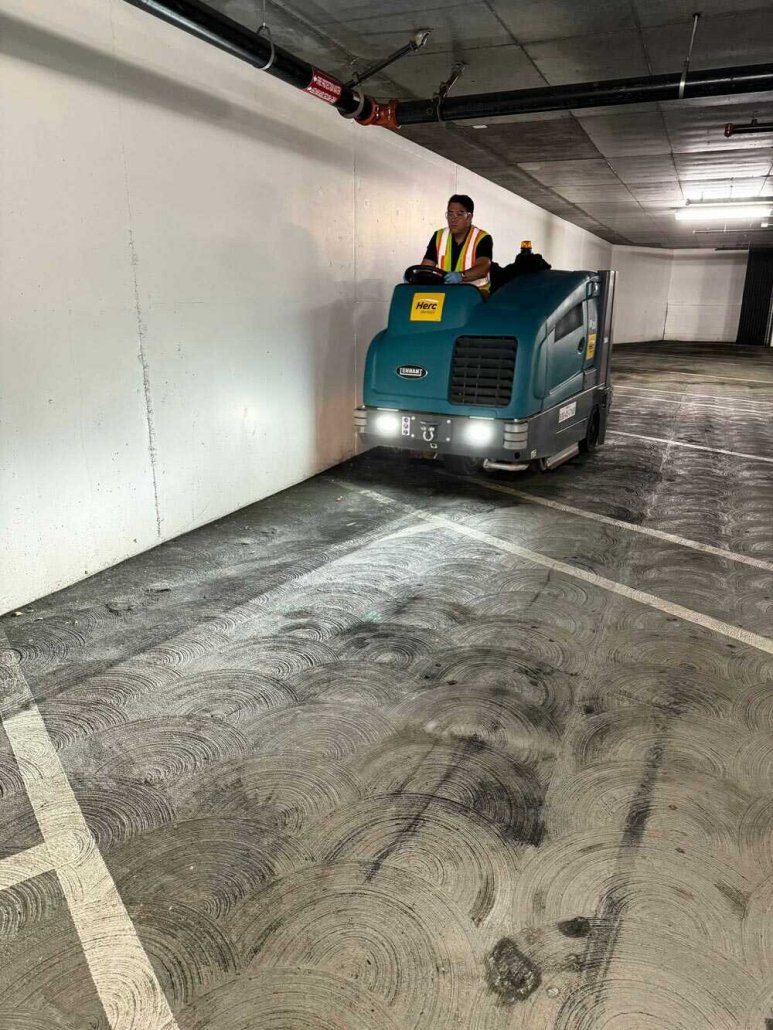
Proper parking lot cleaning and maintenance involve a variety of tasks that go beyond basic sweeping. This guide provides an in-depth look at the key practices needed to ensure a parking lot remains clean, safe, and visually appealing over time. We will explore pressure washing, painting and striping, strip and wax applications, scrub and rinse, cobweb removal, and high dusting, all of which play a vital role in preserving the condition of parking areas.

1. Pressure Washing: Removing Embedded Dirt and Grime

Pressure washing is one of the most effective ways to clean parking lot surfaces, especially in high-traffic areas where oil stains, dirt, and debris accumulate over time. Simply sweeping or hosing down a parking lot is often insufficient to remove embedded dirt and stains. Pressure washing uses high-powered jets of water to dislodge tough contaminants that build up on asphalt and concrete surfaces, such as:

  • Vehicle Fluids: Oil, gasoline, and brake fluid leaks can cause dark stains and contribute to the deterioration of the surface if left untreated.
  • Dirt and Dust: Regular traffic kicks up dust and dirt that settles into the parking surface, creating a grimy appearance over time.
  • Algae and Mildew: In shaded or damp areas, algae, mildew, and mold can thrive, making the surface slippery and potentially hazardous.

Pressure washing helps maintain a clean, safe environment while extending the life of the parking lot. Regular washing also reduces the risk of accidents caused by slippery or damaged surfaces, improving the safety of pedestrians and vehicles.

Best Practice Tip: Schedule pressure washing at regular intervals, especially after weather events or heavy traffic periods, to prevent build-up and keep the lot looking fresh.

2. Painting and Striping: Ensuring Safety and Organization

A well-marked parking lot is essential for both functionality and safety. Over time, the paint used for lines, arrows, and markings can fade due to weather exposure and vehicle traffic. Faded lines not only reduce the lot’s aesthetic appeal but can also cause confusion and increase the risk of accidents. Clear, bright markings are critical for:

  • Traffic Flow: Arrows and directional signs guide drivers safely through the lot, preventing congestion and collisions.
  • Parking Space Designation: Clearly marked parking spaces, including designated handicapped spots, ensure proper use of the lot.
  • Pedestrian Safety: Crosswalks and walkways should be clearly visible to protect pedestrians from oncoming vehicles.

Repainting and restriping the parking lot improves its functionality and appearance, ensuring that drivers and pedestrians can navigate the area safely and efficiently.

Best Practice Tip: Use durable, weather-resistant paints and schedule repainting at least once a year to maintain clear and visible markings.

3. Strip and Wax: Protecting Surfaces from Wear and Tear

While strip and wax treatments are commonly associated with indoor flooring, they can also be applied to specific types of outdoor surfaces, including parking lots. Strip and wax involves removing old layers of wax or sealant from the surface and applying a new, protective layer. This method is particularly effective in high-traffic areas where surfaces are exposed to constant wear and environmental factors, such as:

  • Heavy Vehicle Traffic: Parking lots experience constant vehicle movement, which causes friction and wear on the surface.
  • Weather Exposure: Rain, snow, and extreme temperatures can degrade the surface, leading to cracks and potholes.
  • Chemical Spills: Leaking oil, gasoline, and other chemicals can erode the surface if not properly protected.

By applying a fresh layer of wax or sealant, the surface becomes more resistant to damage from these factors. Strip and wax also creates a smoother surface, making it easier to clean in the future and reducing the chances of dirt and debris becoming embedded in the material.

Best Practice Tip: Schedule strip and wax treatments regularly, especially in areas with heavy traffic or exposure to harsh weather conditions, to maintain a protective barrier on the parking lot surface.

4. Scrub and Rinse: Deep Cleaning for Stubborn Stains

Even with regular pressure washing, some parking lot surfaces may develop deep-set stains or tire marks that require more intensive cleaning methods. Scrubbing and rinsing provide a deeper clean, targeting areas that are heavily stained or have a significant build-up of grime. This process involves:

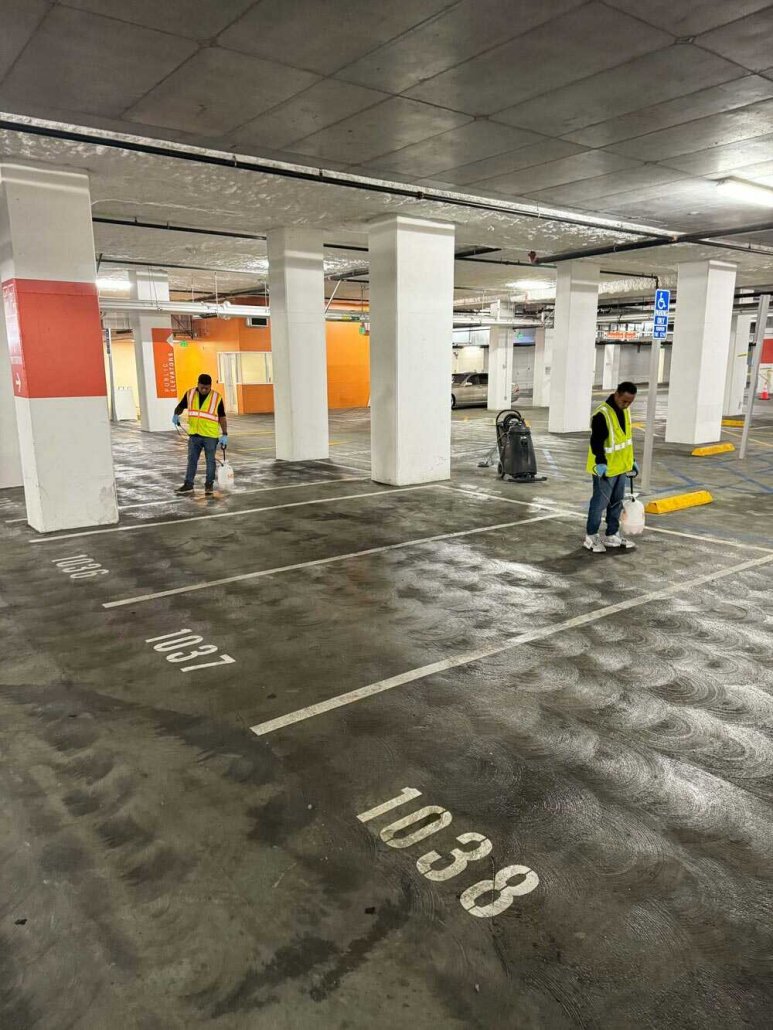
  • Scrubbing: Specialized equipment is used to scrub the surface, dislodging dirt, tire marks, and other stubborn materials that may not come off with pressure washing alone.
  • Rinsing: After scrubbing, the surface is thoroughly rinsed to remove any remaining dirt or cleaning solutions, leaving the area clean and safe for use.

Scrub and rinse services are particularly useful for maintaining concrete and asphalt surfaces, which are prone to collecting dirt in their porous textures. By removing embedded materials, the surface remains in good condition, and potential damage is prevented.

Best Practice Tip: Incorporate scrubbing and rinsing into your regular maintenance schedule for areas with heavy foot or vehicle traffic to prevent long-term stains.

5. Cobweb Dusters and Vacuums: Reaching Hard-to-Clean Areas

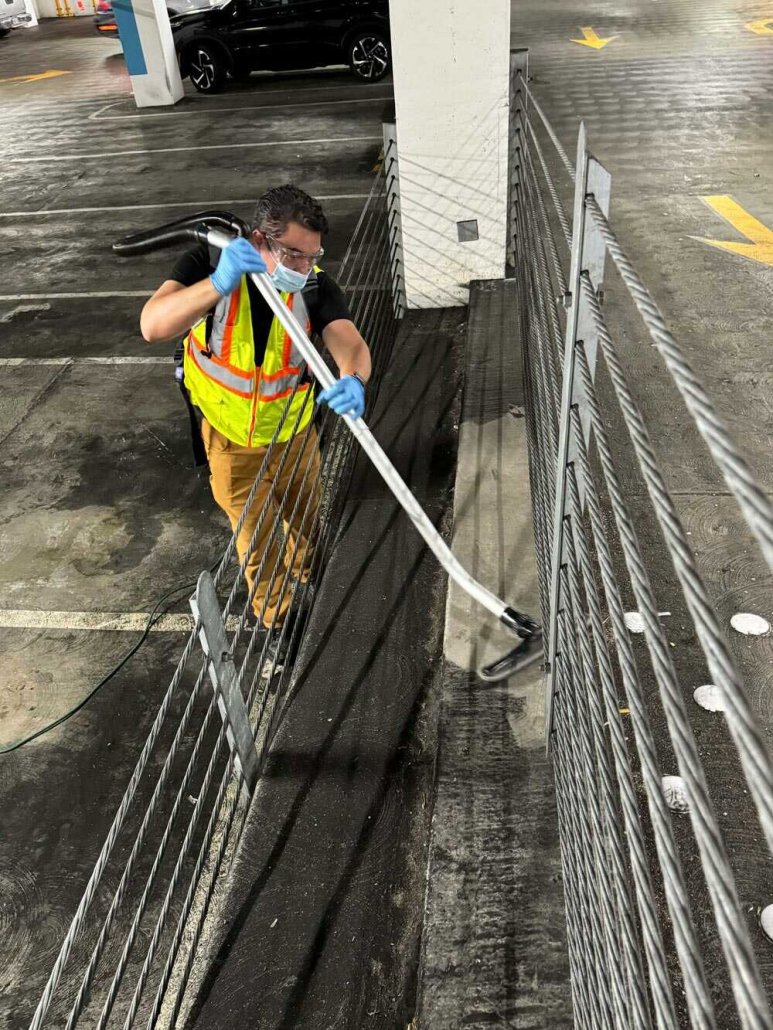
Parking structures, especially multi-level lots, can accumulate cobwebs and dust in high, hard-to-reach areas. This can create an unkempt appearance and may even attract pests. Using specialized cobweb dusters and vacuums allows maintenance teams to clean these often-neglected areas, including:

  • Ceilings and Overhangs: Cobwebs and dust can gather in the corners of ceilings, walls, and structural supports.
  • Light Fixtures: Dust and debris can collect on lights, reducing their brightness and contributing to a gloomy atmosphere.

By regularly removing cobwebs and dust from these areas, the parking lot maintains a clean, welcoming appearance, and potential pest issues are minimized.

Best Practice Tip: Schedule cobweb dusting and vacuuming as part of your routine cleaning process, especially in areas that are more prone to pests or heavy dust build-up.

6. High Dusting: Maintaining Cleanliness Above Eye Level

High dusting is another important aspect of parking lot maintenance, especially in structures with high ceilings, beams, or pipes. Dust and debris can accumulate in these areas over time, affecting not only the appearance of the space but also its functionality. High dusting involves:

  • Dusting Ceilings, Beams, and Fixtures: Removing dust from high areas prevents it from falling onto the parking surface or vehicles below.
  • Maintaining Light Fixtures: Dust-covered lights may not provide adequate illumination, which can compromise safety in dimly lit areas.

By keeping high areas clean, the entire parking structure benefits from improved air quality, better lighting, and an overall cleaner appearance.

Best Practice Tip: High dusting should be done regularly in parking structures with high ceilings or exposed fixtures to prevent the accumulation of dust and debris.

Final Thoughts

Parking lot cleaning and maintenance require a thoughtful approach that addresses not only surface cleaning but also the upkeep of surrounding areas, high structures, and markings. By integrating pressure washing, painting and striping, strip and wax applications, scrub and rinse, cobweb dusting, and high dusting into a regular maintenance schedule, you can keep your parking lot safe, functional, and visually appealing year-round.

Understanding the importance of these practices helps facility managers and property owners make informed decisions about their parking lot care, ultimately benefiting everyone who uses the space.

Setting Up a Floor Maintenance Program

Extend the Life of Your Floors with Strip & Wax, Buffing, and Scrubbing.

Keeping your floors in pristine condition is essential not only for maintaining a clean and professional appearance but also for prolonging the life of your flooring. One effective way to achieve this is by implementing a consistent floor maintenance program. This guide will walk you through the steps of setting up a floor maintenance routine that includes strip and wax, monthly high-speed buffing, and biannual scrub and rinse. By following this program, you can significantly reduce the frequency of strip and wax treatments, potentially extending the need for this intensive process to every three years.

Why Floor Maintenance Matters

Floors are one of the most heavily trafficked areas in any facility, bearing the brunt of daily wear and tear. Without proper maintenance, floors can quickly become dull, scratched, and even damaged. Regular floor maintenance not only keeps your floors looking their best but also protects your investment, reduces the need for costly repairs, and creates a safer environment for employees and visitors.

Step 1: Initial Strip and Wax

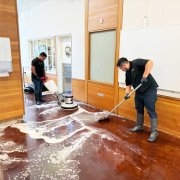
The first step in your floor maintenance program is a thorough strip and wax. This process involves removing old layers of wax and any accumulated dirt, followed by applying fresh coats of wax to protect the floor and restore its shine. This initial step sets the foundation for your ongoing maintenance routine.

  • Stripping: This process removes all existing wax and buildup from the floor, exposing the bare surface.
  • Waxing: After stripping, a fresh coat of wax is applied to protect the floor and enhance its appearance.

Step 2: Quarterly High-Speed Buffing

Once your floors have been stripped and waxed, it’s important to maintain their shine and protection. Quarterly high-speed buffing is a crucial component of your maintenance routine. Buffing not only restores the shine of your floors but also helps to smooth out any minor scratches or imperfections that may have developed.

  • High-Speed Buffing: This process involves using a high-speed buffer to polish the floor, removing surface-level scratches and renewing the shine of the wax layer.

Step 3: Scrub and Rinse Every Six Months

In addition to monthly buffing, a more intensive scrub and rinse should be performed every six months. This process removes any embedded dirt and grime that regular cleaning may not address, ensuring that your floors remain in top condition.

  • Scrubbing: A floor scrubber is used to deep clean the surface, removing dirt and grime that has settled into the wax.
  • Rinsing: After scrubbing, the floor is rinsed to remove any remaining cleaning solution, ensuring a clean surface for the next round of buffing and waxing.

The Benefits of This Program

By following this floor maintenance program, you can achieve several key benefits:

  • Extended Wax Life: With regular buffing and scrubbing, the protective wax layer on your floors is less likely to wear down quickly, meaning you won’t need to strip and wax as frequently.
  • Cost Savings: Reducing the frequency of strip and wax treatments can lead to significant cost savings over time.
  • Enhanced Appearance: Consistent maintenance keeps your floors looking clean, shiny, and professional, creating a positive impression for anyone who enters your facility.
  • Safety: Well-maintained floors are less likely to develop hazards such as slippery spots or deep scratches that could cause accidents.

The Long-Term Payoff

One of the most significant advantages of this maintenance program is the potential to delay the need for another strip and wax treatment for up to three years. By committing to monthly buffing and biannual scrubbing, you protect the integrity of your floor’s wax layer, allowing it to last longer and saving you both time and money in the long run.

Conclusion

Implementing a structured floor maintenance program is a smart investment that pays off in multiple ways. By following the outlined steps—starting with an initial strip and wax, followed by monthly high-speed buffing and biannual scrubbing—you can keep your floors in excellent condition and potentially extend the time between strip and wax treatments to three years. This approach not only enhances the appearance and safety of your facility but also delivers long-term cost savings and protects your flooring investment.

Consider partnering with a professional floor maintenance service to ensure that your floors receive the care and attention they need to stay in top shape. At Shine Facility Services, we specialize in creating customized floor maintenance programs that meet the unique needs of your facility. Contact us today to learn more about how we can help you maintain beautiful, long-lasting floors.

Back to School and Beyond: The Ultimate Guide to a Safe and Clean Campus!

As the back-to-school season arrives, the importance of preparing and maintaining a clean and safe school environment cannot be overstated. At Shine Facility Services, we recognize the crucial role that cleanliness plays in fostering a healthy, productive, and positive learning atmosphere. Here’s why it’s essential to prepare schools meticulously for the new academic year and maintain high cleaning standards throughout.

1. Promoting Health and Wellness

Ensuring a clean school environment helps reduce the spread of germs and illnesses, including colds, flu, and other contagious diseases. Thorough cleaning and sanitizing practices are vital to keep students and staff healthy, minimizing absenteeism and promoting overall wellness. This is especially critical in preventing outbreaks of common school-time illnesses and ensuring a continuous, uninterrupted learning experience.

2. Enhancing Learning and Concentration

A clutter-free, clean classroom environment significantly impacts students’ ability to focus and learn. Dust, dirt, and disorganization can be distracting and negatively affect concentration. Conversely, a well-maintained and orderly space creates a positive atmosphere that supports academic success, allowing students to thrive.

3. Ensuring Safety

Safety is a paramount concern in any school setting. Regular cleaning and maintenance help prevent hazards such as slippery floors, cluttered hallways, and malfunctioning facilities. By proactively addressing these issues, schools can minimize the risk of accidents and injuries, ensuring a safe environment for everyone.

4. Instilling Good Hygiene Habits

Schools are pivotal in teaching students important life skills, including personal hygiene and cleanliness. By maintaining a clean environment, schools set a positive example, encouraging students to adopt good hygiene practices. These habits, learned early, can extend beyond the classroom and contribute to lifelong health and wellness.

5. Boosting Morale and Motivation

A clean and pleasant school environment boosts morale and motivation for both students and staff. When the surroundings are inviting and well-maintained, students feel more comfortable and eager to learn, and teachers are more motivated to provide quality instruction. This positive atmosphere can significantly enhance the overall educational experience.

Steps for Preparing a Clean and Safe School

1. Deep Cleaning and Sanitizing

Before the school year begins, a comprehensive deep cleaning and sanitizing of the entire school is essential. This includes classrooms, restrooms, cafeterias, gymnasiums, and common areas. Special attention should be given to high-touch surfaces such as door handles, desks, and computers to eliminate germs and bacteria.

2. Regular Maintenance and Inspections

Ongoing maintenance is crucial to keep the school in top condition throughout the year. Regular inspections can help identify and resolve potential hazards before they become problems. Routine cleaning, restocking supplies, and addressing maintenance issues promptly ensure that the school remains clean and safe.

3. Green Cleaning Solutions

Using environmentally friendly cleaning products ensures the safety and health of students and staff while minimizing the environmental impact. Green cleaning solutions are effective in maintaining cleanliness without exposing individuals to harmful chemicals.

4. Customized Cleaning Schedules

Every school has unique needs and schedules. Shine Facility Services offers customized cleaning plans tailored to the specific requirements of each school. Whether it’s daily cleaning, weekly deep cleaning, or special event cleaning, we can create a schedule that fits seamlessly into the school’s routine.

Maintaining Cleaning Standards Throughout the School Year

1. Routine Cleaning

Implementing a consistent routine cleaning schedule is crucial. Daily cleaning of classrooms, restrooms, and common areas helps maintain a high level of cleanliness and hygiene. Regular vacuuming, mopping, dusting, and sanitizing of high-touch surfaces should be part of the daily regimen.

2. Periodic Deep Cleaning

In addition to daily cleaning, periodic deep cleaning is necessary to address areas that require more intensive care. This includes thorough cleaning of carpets, windows, and ventilation systems to ensure that the entire school environment remains fresh and clean.

3. Involving the School Community

Maintaining a clean school environment is a collective effort. Encouraging students, teachers, and staff to take responsibility for their spaces can make a significant difference. Simple practices such as picking up trash, wiping down desks, and keeping personal areas tidy contribute to the overall cleanliness of the school.

4. Monitoring and Evaluation

Regular monitoring and evaluation of cleaning practices help ensure that standards are being met. Conducting periodic assessments and gathering feedback from the school community can identify areas for improvement and ensure that cleaning protocols are effective.

Partnering with Shine Facility Services

At Shine Facility Services, we are committed to helping schools prepare and maintain a clean, safe, and welcoming environment throughout the academic year. Our team of experienced professionals provides top-notch cleaning and facility management services tailored to the unique needs of each school.

By partnering with us, schools can ensure that their environment is conducive to learning and well-being. Let’s work together to create and maintain a healthy, safe, and positive school environment for the entire school year. Contact Shine Facility Services today to learn more about our services and how we can assist your school in achieving its goals.

A clean and safe school environment is the foundation for a successful academic year. With Shine Facility Services by your side, you can be confident that your school is well-prepared and maintained to provide an enriching and productive educational experience.

The Value of Clean: Insights from ISSA and Shine Facility Services

Enhance your cleaning routines to create healthier environments and achieve better business results using a comprehensive set of resources designed specifically for your needs.

According to the International Sanitary Supply Association (ISSA), prioritizing cleanliness can boost productivity by up to 5%, enhance company culture, and increase employee satisfaction.

A clean environment leads to better worker morale, improved health outcomes, and fewer sick days, thereby driving business performance.

At Shine Facility Services, we view cleanliness as essential for health, productivity, and well-being. It’s not just about aesthetics but also about maintaining a safe and healthy environment. We emphasize that our clients see the value of cleanliness and its direct impact on business profitability, supported by research and reports.

How Cleaning Improves your Bottom Line

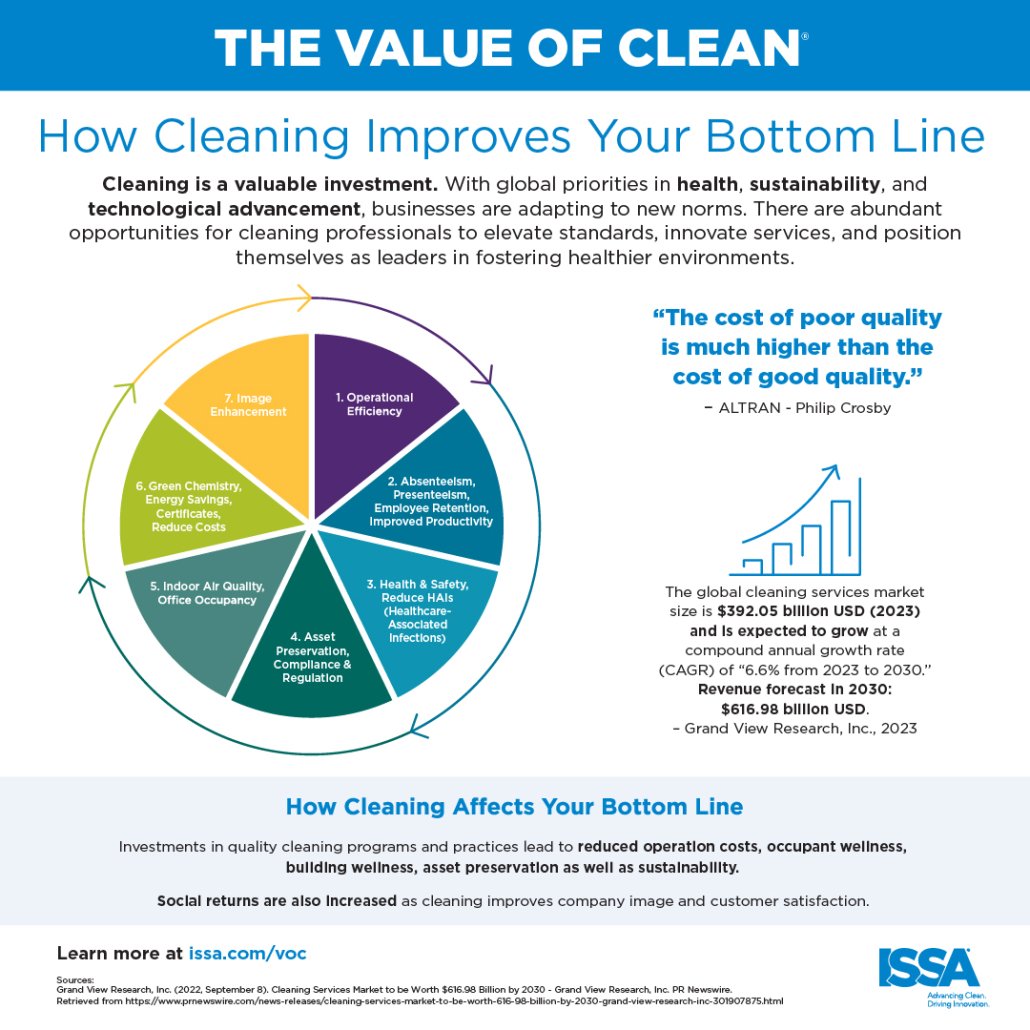
This visual emphasizes that investments in quality cleaning lead to reduced operational costs, improved employee wellness, and increased asset longevity.

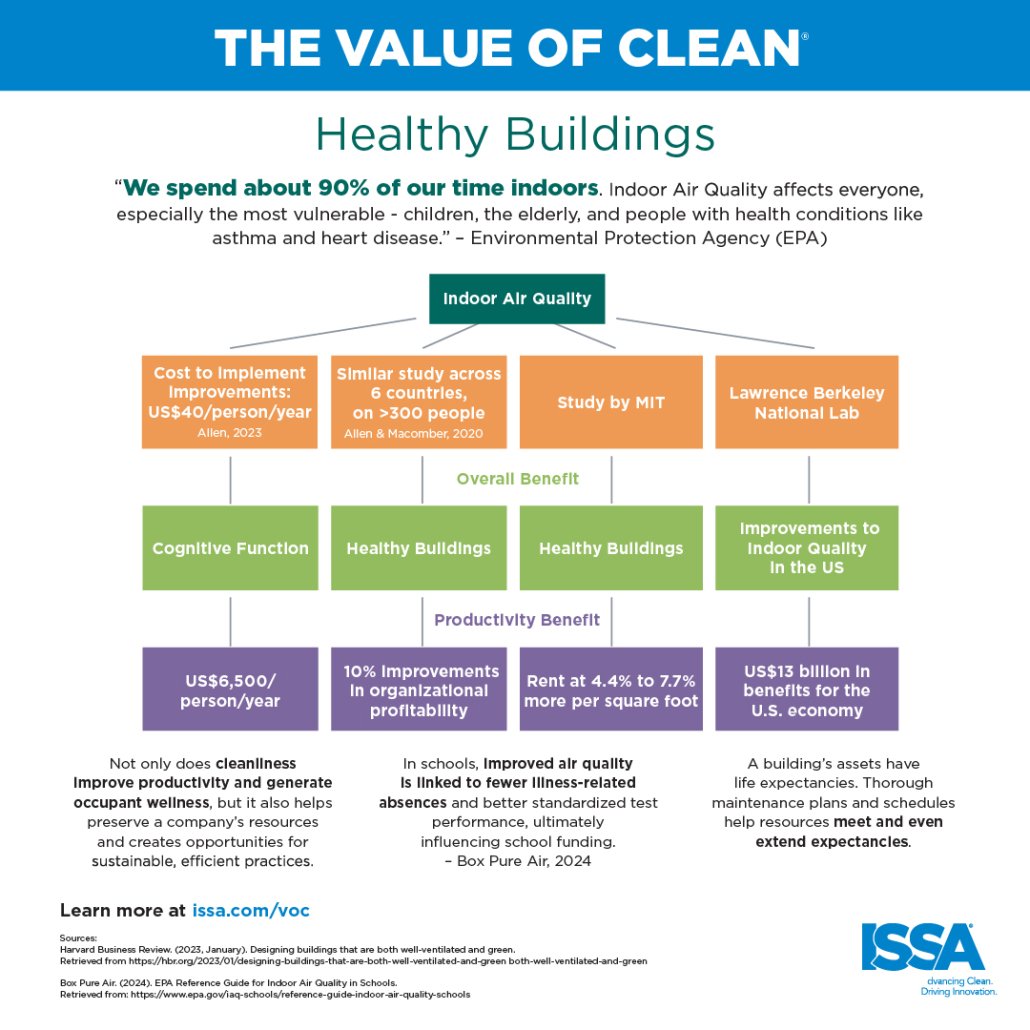
Healthy Buildings

It highlights the critical impact of indoor air quality on overall health and productivity in their infographic,  The Environmental Protection Agency (EPA) notes that we spend about 90% of our time indoors, making indoor air quality vital, especially for vulnerable populations such as children and the elderly.

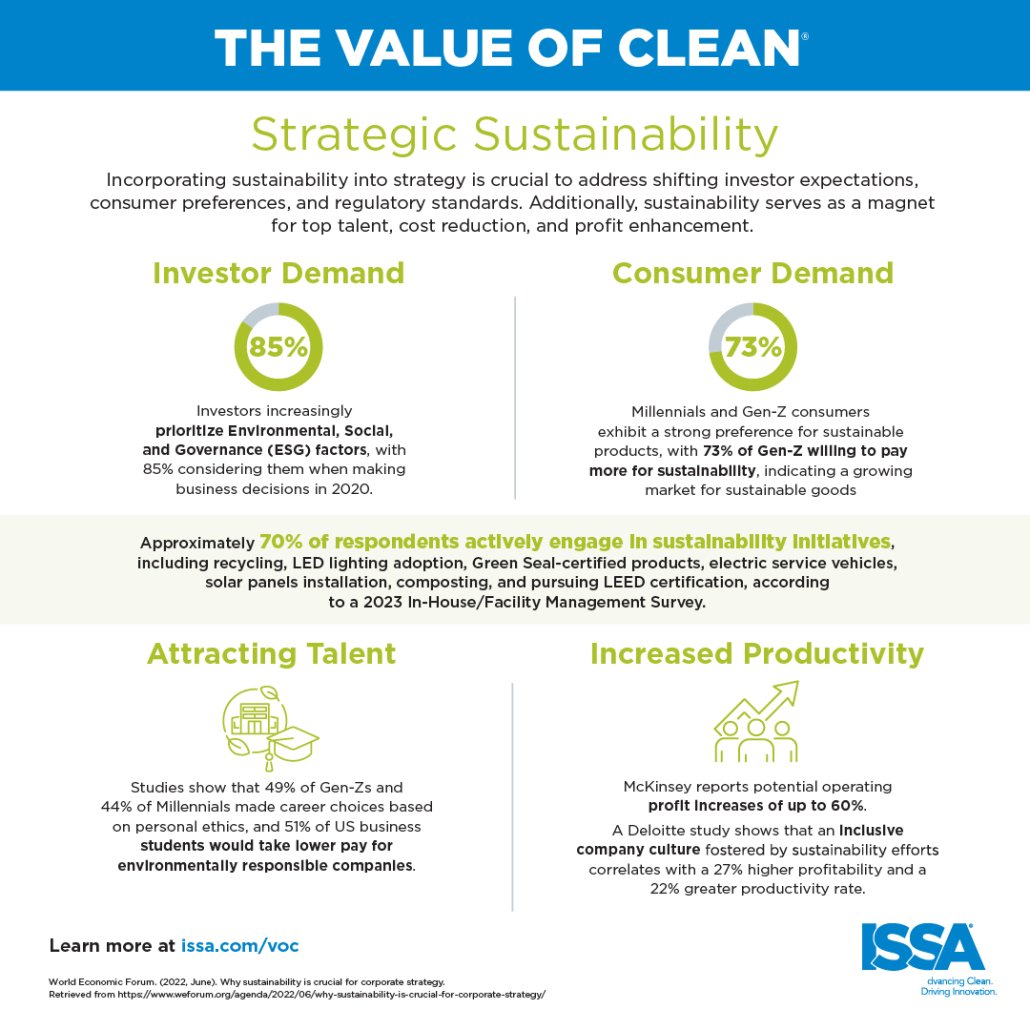
Strategic Sustainability

Sustainability is now central to business strategy, meeting investor expectations, consumer preferences, and regulatory standards. The ISSA reports that 85% of investors prioritize Environmental, Social, and Governance (ESG) factors, and 73% of Gen-Z consumers are willing to pay more for sustainable products. About 70% of companies engage in sustainability initiatives like recycling, using LED lighting, and pursuing LEED certification. Sustainability efforts also attract top talent, with 51% of U.S. business students willing to take lower pay to work for environmentally responsible companies.

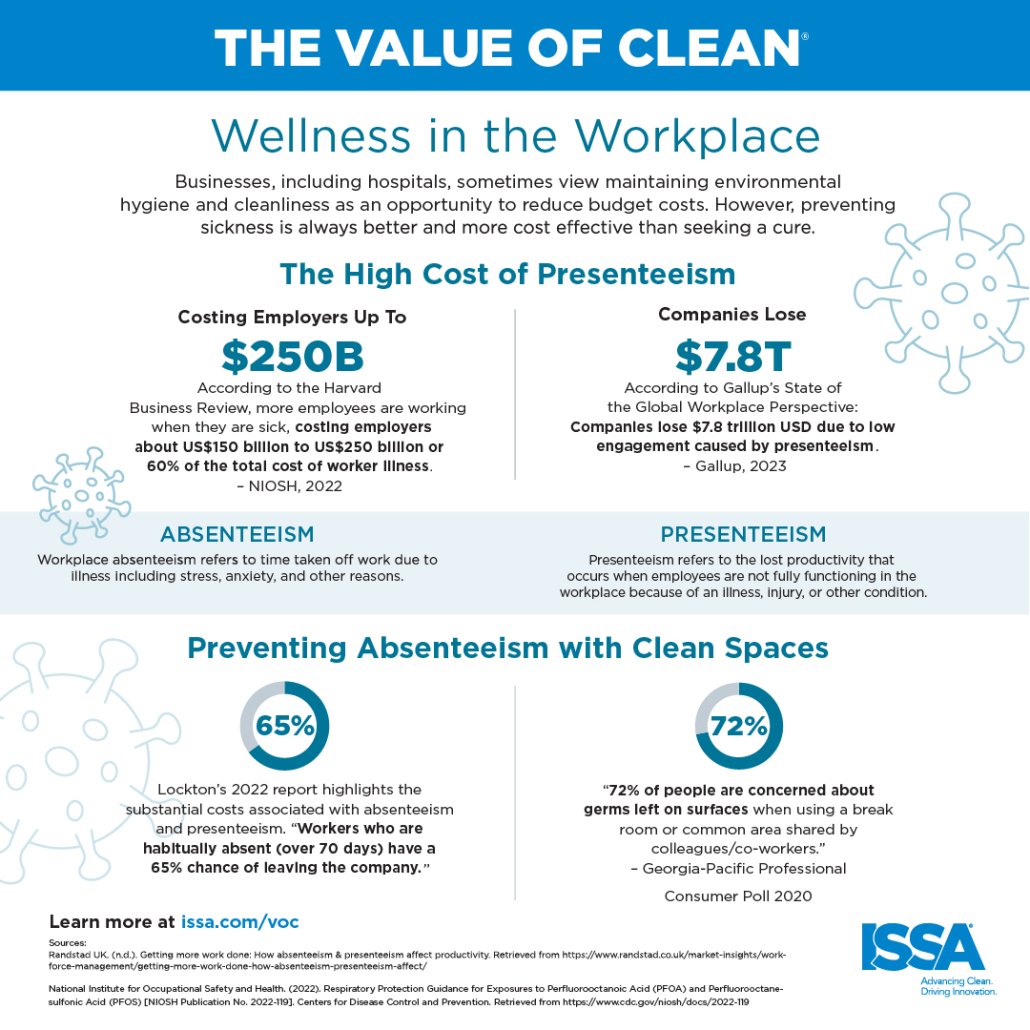
Wellness in the workplace

The ISSA infographic “Wellness in the Workplace” highlights the financial impact of presenteeism and absenteeism. NIOSH reports that presenteeism costs employers $150-$250 billion annually, representing 60% of total worker illness costs. Gallup’s report states companies lose $7.8 trillion globally due to low engagement from presenteeism. Effective cleaning can reduce these costs by limiting illness spread. 

Current State of AI Technology and the Commercial Janitorial Industry:

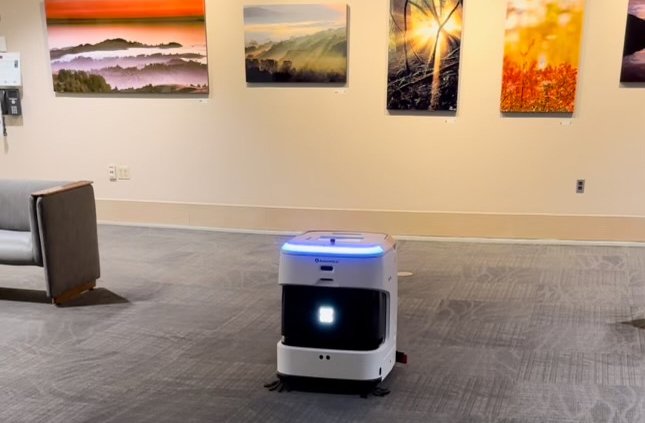
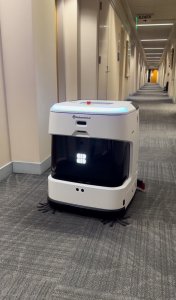
The Role of Autonomous Vacuums at Shine Facility Services

In today’s dynamic business environment, efficiency and effective resource management are crucial for success. At Shine Facility Services, we are at the forefront of leveraging technology to redefine commercial janitorial practices. In this blog, we discuss the current state of autonomous vacuum technology, its benefits, and potential areas for improvement.

End Goal:

– Easier tasks for janitors

– Reduced time spent on tasks

– Reduced risk of employee injury

– Lower costs for clients


Key Features of Autonomous Vacuums Advertised by Manufacturers

  1. Intelligent Mapping and Navigation:
    Equipped with advanced sensors and mapping technology, autonomous vacuums navigate and map out complex environments autonomously. This capability ensures thorough coverage without human intervention.
  1. Adaptive Cleaning Behavior:
    If an area is obstructed or inaccessible, the vacuums adjust their cleaning path and return later to complete the task. This adaptive behavior minimizes oversight and ensures comprehensive cleaning.
  1. Safety-Oriented Design:
    Designed to prioritize safety, the vacuums detect and navigate around people in hallways and common areas. This feature enhances operational efficiency and promotes a safe environment for occupants.
  1. Efficiency in Resource Allocation:
    By automating routine cleaning tasks, we optimize labor allocation. Our team can focus on detailed cleaning and maintenance activities, enhancing overall service quality for our clients.
  1. Extended Battery Life:
    With a battery life exceeding three hours, autonomous vacuums provide reliable cleaning coverage throughout the day without frequent recharges.
  1. Versatility in Cleaning Capabilities:
    Whether performing wet or dry vacuuming, these units are versatile enough to maintain cleanliness across diverse environments and surfaces effectively.
  1. Smart Cleaning Management:
    The vacuums keep track of cleaned areas, ensuring even distribution of cleaning efforts and preventing redundancy. This smart management approach enhances efficiency and consistency in cleaning operations.
  1. User-Friendly Mobility:
    Designed for ease of use, autonomous vacuums are portable and simple to deploy across different areas of a facility. This flexibility enhances their utility and effectiveness in maintaining cleanliness.

Challenges of Autonomous Vacuums in the Janitorial Industry

While autonomous vacuums offer numerous benefits, they also face some challenges that need to be addressed:

  1. Suction Power Limitations:
    The vacuum robots do not have the same suction power as commercial vacuums, potentially leaving residue behind on dusty carpets or floors.
  1. Corner and Edge Cleaning:
    Due to their design, corners and edges are often missed, resulting in incomplete cleaning in those areas.
  1. Dust Collection Capacity:
    The dust collection bag in these designs is very small, limiting the robot’s ability to finish the job in long corridors and requiring frequent bag changes.
  1. Navigation Challenges:
    In highly dynamic environments with frequent layout changes, the vacuums might struggle to adapt quickly, leading to missed spots or inefficient cleaning routes.
  1. Maintenance Requirements:
    Regular maintenance is necessary to keep autonomous vacuums in optimal working condition, including cleaning sensors, emptying dust bags, and addressing mechanical issues.
  1. Obstacle Management:
    Small objects or unexpected obstacles can hinder the vacuum’s performance, requiring manual intervention to clear the path and resume cleaning.
  1. Connectivity Issues:
    Autonomous vacuums rely on stable wireless connections for optimal performance. Connectivity issues can disrupt operation and affect cleaning efficiency.
  1. Noise Levels:
    While generally quieter than traditional vacuums, autonomous vacuums can still produce noise that might be disruptive in noise-sensitive environments.

Perspectives from Our Leadership

Javier Bonilla, Director of Operations:

“Our experience with autonomous vacuums has had some challenges. Employees must constantly check on them to ensure they are running as designed. We have not yet seen labor cost savings. However, I see that the technology evolves rapidly, and I look forward to continuing to use it and contribute to its development.”

Luis Ramirez, President:

“Integrating autonomous vacuums into our service offerings has allowed Shine Facility Services to stay at the forefront of innovation in facility management. We’ve used these vacuums in multiple projects. While the current autonomous vacuums do not perform to our expectations, we see significant improvement. The data-driven insights provided by these vacuums also enable us to fine-tune our cleaning processes and deliver better service. Despite hurdles like connectivity issues and maintenance requirements, our commitment to leveraging advanced technology continues to drive our success and set us apart in the industry.”

Embrace Innovation with Shine Facility Services

Experience the transformative impact of autonomous cleaning technology with Shine Facility Services. Contact us today to learn more about how our advanced cleaning solutions can elevate cleanliness standards and operational efficiency in your business. Together, let’s embrace innovation and redefine the future of facility management with smart, sustainable solutions. At Shine Facility Services, our commitment is to enhance your environment while optimizing operational efficiency.

Schools need more than custodian

It’s Time to Lend Your Custodial Department a Helping Hand.  

Why Schools Need More Than Custodians


Feel-good stories about private schools honoring a custodian for decades of service are heartwarming, and the accolades are usually well-deserved. However, what some school administrations don’t realize is that more custodians would have impressive tenures if they had the assistance and resources necessary for them to do their jobs more effectively and efficiently.


Saying Goodbye

The days of single custodians with a mop and bucket swabbing down a school hallway are as antiquated as the clip art used to portray them. Today, especially since the COVID-19 pandemic, health, safety, and infection prevention are top of mind for parents and children. The parents want to know their children are being protected; the children long to stay healthy to participate in sports and other activities and maintain the in-person social lives they had to forgo during the pandemic shutdown.

Also, today, most custodians are assigned tasks beyond cleaning and lack the bandwidth to perform all that needs to be done. This often leads to frustration, low job satisfaction, poor custodial engagement, turnover, and sometimes increasingly poor performance and worker-client communication.

Studies show that students are more creative and productive and teachers teach better in environments that are clean, safe, and healthy. Conversely, unclean learning environments have been linked to poor test scores and chronic absenteeism. Meanwhile, if all else is equal, parents choosing between schools are more likely to send their children to the one they perceive to have a higher level of cleanliness.


Adding Staff Is Not the Answer

A mistake some schools make when they realize the need for additional custodial assistance is assuming the answer is hiring more workers. In addition to wages, hiring workers incurs the expenses of insurance, vacation pay, and other benefits paid leaves of absence, and potential union problems should a layoff be needed. The truth is hiring more in-house employees is seldom the answer, not only for the reasons just mentioned but also because extra help is not usually required five days a week but on more of an as-needed basis.

With this in mind, below are a few ways hiring the right building service contractor (BSC) partner to handle special projects can improve your cleaning department’s effectiveness and efficiency, enhance custodial job satisfaction and engagement, and impress stakeholders.

Deep cleaning. When school is on break is a great time to do a deep dive into disinfecting. While many custodial teams are familiar with the day-to-day infection prevention techniques, the right BSC has the in-depth training, including a thorough knowledge of various viruses and bacteria, Including the COVID-19 causing SARS-CoV-2. Having and promoting this added precaution to parents and other stakeholders can go a long way to proving your team is going above and beyond to keep the school clean, safe, and healthy.

Labor-intensive tasks. Holiday and summer breaks are the best time to undertake deep cleaning, such as floor stripping and refinishing, carpet extraction, and other tasks that can be more easily and thoroughly completed when there is little to no traffic. Top BSCs have the expertise and the latest equipment to complete these tasks effectively and efficiently, leaving your custodians more time to concentrate on other vital cleaning and disinfecting responsibilities.

Events. Setting up and tearing down areas for events can be a taxing job, especially for schools that are shorthanded and use areas for various gatherings, such as gymnasiums for proms and graduation or cafeterias for testing or faculty meetings. These areas often must be set up and returned to their intended use quickly. The right BSC partner will have workers help set up and stay through the event to ensure a timely teardown.

Painting. When schools are on break is the best time to freshen up areas that may look worn with a new coat of paint. Yet, not all custodians are professional painters. The best BSCs have a painter on staff who can ensure a quality job in less time.

Emergency assistance. Most custodians are hired to clean and not to repair things like broken water pipes. Having an experienced BSC on call that has tradespeople, like plumbers, on staff or has close relationships with them to ensure faster service can be a saving grace in an emergency.

Sustainability. At most schools, the environment has returned to the spotlight after being temporarily upstaged by the COVID-19 pandemic. An outside contractor knows what has and hasn’t worked for other accounts and can bring fresh ideas and methodology to help your custodial staff develop and maintain an effective sustainability program. They can help with everything from developing a viable green cleaning program to helping implement an effective waste management program. Best, these programs can be created and maintained without taking valuable time away from your custodial staff’s day-to-day responsibilities.

Technology. While school custodians are busy maintaining schools, they don’t all have the time to research the latest labor and cost-saving technologies. Not all school districts have the funds—or the need—to buy the newest equipment, especially for tasks that are performed infrequently. The right BSC will have the latest equipment to produce top-quality results in fewer labor hours.

Balance. Your custodial staff wants what most workers do: a good work-life balance. This is especially true during the holidays and summer breaks, when they, too, want to enjoy time with their families. Dividing up the work between the custodial team and a BSC can create a positive working environment, leaving workers feeling happier, more willing to go the extra mile, and more satisfied with their jobs and employers. And that’s surely a nice reflection on you.


7 Value-Added Services Cleaning Partners Should Offer to Help Bring Workers Back into the Office

While the debate over in-office versus remote work is far from over, it appears that eventually, employers will be calling their workers back into the office:

  • 90% of companies surveyed report they plan to have return-to-office policies in place by the close of 2024.
  • Nearly 30% of interviewed companies will threaten to fire employees who don’t meet the in-office requirements.
  • Three out of four companies with employees who have returned to the office report increased revenues, while 83% of company leaders believe coming back into the office by 2024 will enhance productivity.
  • Financial powerhouse Goldman Sachs wants its employees back in the office five days a week.
  • Google is incorporating employees’ in-office attendance in its performance reviews.


Meanwhile:

  • 66% of workers want the office to be cleaner than they perceived it to be in the past before agreeing to return.
  • 89.9% of employees believe workplace cleaning protocols are very or somewhat important.
  • 94% of workers reported they feel they are more productive.
  • 77% of workers say they produce higher quality work in a cleaner environment.
  • Surveys show employees want offices where they can connect with colleagues and that feel more like home.


These statistics make two things clear:

  • Offices may be filled less than five days a week, but most workers will be in the office at least two to three days a week. Their schedules will likely be staggered to ensure some workers are present each workday.
  • Encouraging current and recruiting new employees to an office is much easier when workers perceive it as a clean, healthy, and comfortable environment.

This means now is the time for company owners to ensure their offices are comfortable, clean, and healthy.


A Time to Delegate

Today’s employers are facing supply chain issues, staffing shortages, inflation, record technological advancement, and other time-consuming business concerns, all while trying to run their day-to-day operations. They don’t have time to chase down various vendors to ensure all aspects of creating a healthy, more appealing office environment are handled properly.

Many companies have a building service contractor (BSC) or in-house facility management team to perform “regular” janitorial duties. However, most lack the capabilities and bandwidth to provide the more in-depth cleaning and additional services a complete post-pandemic office reboot requires.

This calls for a cleaning service provider with the diverse competencies and/or outside vendor relationships necessary to efficiently handle 100% of these return-to-office needs so employers can concentrate on running their business.


Welcome Back Workers

Below are seven services beyond day-to-day janitorial cleaning, sanitizing, and disinfecting. If your current provider doesn’t offer these, you should be looking for one that does to ensure your space is ready to welcome your workers back.

  1. Floor stripping and waxing. Nothing can make an excellent first impression of a facility like clean, shiny floors. Conversely, a dull, scratched finish can tell employees and other visitors that cleanliness doesn’t truly matter to you. The COVID-19 pandemic placed a long overdue emphasis on cleaning for health and not just appearance. That’s not to say, however, that looks don’t still matter. They do. What people see when they enter a building gives them an initial perception of the facility, its owners, and the company overall, and a negative impression can be hard to reverse. Floor stripping and waxing can be a labor-intensive task. Yet a knowledgeable BSC trained in the proper process and using the right equipment will have the floor shining in no time, reflecting nicely on you.
  1. Carpet deep cleaning.Months of little to no foot traffic can lead companies to believe there is little need to steam and/or deep clean carpets. Nothing is further from the truth. Airborne dirt, dust, and bacteria have been landing throughout the shutdown, especially in areas where cleaning frequencies have been reduced. The accumulation makes the carpet appear dull. Once the traffic volume resumes, the dirt can quickly become embedded in the carpet fibers, making cleaning more difficult and reducing the carpet’s life cycle. Meanwhile, few things indicate negligence more clearly than having employees return to carpet stains and spots that existed before the shutdown.
  1. Painting.A fresh coat of paint is one of the easiest ways to spruce up a commercial space. It is also one of the most cost-efficient. Workers returning to familiar surface scratches and scrapes, or worse, peeling or chipped paint, sends a clear message that the company doesn’t really care about the healthiness or appearance of our office. Investing in a new paint job is worth it, especially in a different color to be more noticeable. Best-in-class BSCs have a painter on staff or close relationships with companies that do.
  1. Tile and grout maintenance.Dirty tile and grout can make a room look poorly cared for, especially in restrooms and kitchens, where employees and visitors are left wondering what invisible bacteria and germs may lurk if the walls are so blatantly poorly maintained. Yet, as many of us know from our homes, deep cleaning tile and grout is not always easy, so many BSCs stick to spraying and wiping the surface. Conversely, too frequent and overzealous grout and tile cleaning using the wrong product can damage the surface’s integrity. It is best to ask any provider you are considering to explain—and demonstrate—their tile and grout cleaning technique, including product and frequency.
  1. Pressure washing.When enticing workers (and visitors) back to the office, don’t forget the outside of the building or other surfaces that could use a good cleaning to look their best. Again, ensuring the cleaning partner you are considering has pressure washing experience is essential, as the wrong pressure can harm surfaces, leaving them less appealing than ever.
  1. Furniture assembly.Creating a more inviting office space often includes purchasing new furniture, and for many businesses with leftover funds that must be used or lost by the end of the fiscal year, this is the best time to do so. Yet most companies can’t afford to buy preassembled furniture, and as those of us who have tried it at home know, just the thought of assembling roomfuls with all those parts can be overwhelming. The right full-service BSC partner provides this service.
  1. Event set up/furniture moving.Many businesses have or are considering scaling back their spaces due to fewer people in the office. This can mean using the same areas for multiple uses, such as holding computerized training sessions in the cafeteria or opening sliding office walls to accommodate large events. Yet, taking employees away from their work to help set these areas up and break them down lowers productivity and morale while posing safety issues that can lead to injuries, workers’ compensation claims, and even lawsuits. The best full-service BSCs can set up these events for their customers and even leave staff on-site so the space can be returned to its desired use immediately following an event. Similarly, these top-quality service providers help customers move furniture and relocate partitions when an office rearrangement is needed.

Bringing reluctant employees back into the office and keeping them happy can be stressful. However, hiring an experienced BSC that can clean, sanitize, and disinfect your facility and provide the value-added services above can go a long way to helping ensure your efforts are successful.


A Full-Service Cleaning Provider

Are you looking for an experienced BSC that provides all these services and more? Browse our website or contact us for more information. Discover the Shine difference. You won’t be disappointed.