
Before the City Wakes Up: A Behind-the-Scenes Look at Shine Facility Services’ Early Morning Routine

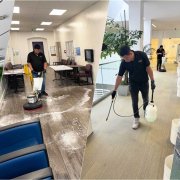
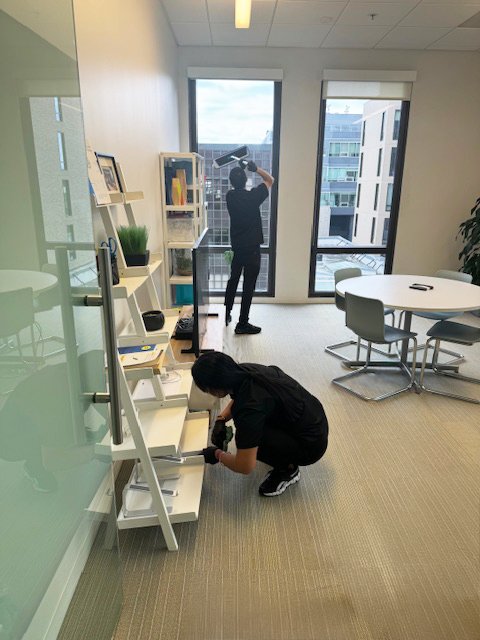
Before the first coffee is poured, before the hallway lights flicker on, and before the city stirs—Shine Facility Services is already at work. Our day porters begin their shifts as early as 7:00 AM, arriving at each property to ensure everything is clean, safe, and ready for the day ahead. While the specific tasks may vary depending on the unique needs of each location, the goal is always the same: to provide a polished and welcoming environment before anyone walks through the door. Their work might go unseen by many—but the impact is felt by everyone who enters the space.

Here’s a behind-the-scenes look at what happens before the world gets moving.

1. Disinfecting High-Touch and High-Traffic Areas

Our first priority is creating a healthy environment. Day porters begin each shift by disinfecting key surfaces, such as:

  • Door handles, elevator buttons, and handrails
  • Lobby counters, reception desks, and shared furniture
  • Restroom fixtures, faucets, and paper towel dispensers
  • Light switches, shared phones, and communal equipment
This daily disinfection routine helps reduce the spread of germs and keeps employees, tenants, and visitors safer throughout the day.

2. Interior and Exterior Sweeping

Cleanliness starts from the outside in. Our team thoroughly sweeps:

  • Sidewalks, building entrances, and loading docks
  • Lobby floors, stairwells, and corridor corners
  • Trash and debris that collects overnight

This attention to detail ensures every location starts the day looking clean, cared for, and professional.

3. Securing the Building

Before the building fully opens for the day, we walk through and check:

  • That all exterior doors are secure and no entryways were left open overnight
  • Emergency stairwells are clear, unlocked from the inside, and safe
  • No unusual activity, maintenance issues, or safety hazards are present

This early sweep offers an added layer of security and peace of mind for property managers.

4. Weather-Ready Preparation: Rainy Day Protocol

When weather takes a turn, we’re ready. On rainy mornings, our team prepares the property by:

  • Setting out wet floor signs to prevent slips
  • Placing absorbent mats at entrances and lobby areas
  • Spot drying or mopping floors to prevent puddles
  • Checking walkways for water pooling and slippery spots

Safety and presentation remain top priorities—rain or shine.

5. Blowing Leaves and Outdoor Maintenance

Leaves, litter, and outdoor debris can accumulate quickly. Our team uses blowers and sweepers to:

  • Clear pathways, courtyards, and walkways
  • Remove leaves from entrances and landscaped areas
  • Ensure building exteriors are tidy and welcoming

This helps maintain a clean curb appeal and prevents debris from being tracked indoors.

6. Trash Removal and Spot Cleaning

A fresh start begins with clean spaces. Every morning we:

  • Empty indoor and outdoor trash and recycling bins
  • Wipe down the exterior of bins to remove spills and stains
  • Spot clean glass doors, mirrors, and elevator panels
  • Remove scuffs or smudges from walls and corners

These little details help maintain a polished, professional atmosphere throughout the property.

7. Kitchen Setup & Morning Comfort

In some properties, our responsibilities go a step further. We help kick-start the day by preparing the kitchen and break areas, so everything is ready when staff arrive.

  • Coffee Preparation: We set up fresh coffee, so employees can enjoy a hot cup the moment they walk in
  • Clean Counters & Sinks: We wipe down all surfaces, ensuring a clean kitchen area for shared use
  • Organize Communal Items: Utensils, mugs, napkins, and condiments are neatly arranged and restocked
  • Check for Cleanliness: Dish soap, towels, and trash bins are ready and clean

This added touch creates a welcoming environment and a smoother start for building occupants.

8. Restocking Restrooms & Kitchens

Comfort and convenience matter—especially in shared spaces. Our day porters make sure that:

  • Restrooms are stocked with toilet paper, paper towels, soap, and air fresheners
  • Kitchens and break rooms are stocked with napkins, paper towels, soap, dishwashing liquid, and coffee supplies
  • Dispensers are filled and working properly
  • Supplies are tracked and replenished proactively

No one starts their day scrambling for essentials—we’ve already made sure everything is in place.

9. Lobby and Common Area Presentation

We believe the first impression starts at the front door. Our day porters take time to:

  • Adjust lobby furniture and straighten magazines or literature
  • Check for dusty corners, fingerprints on glass, or out-of-place items
  • Ensure a clean and consistent look across all high-visibility areas

We work closely with property managers to make sure everything looks just right before people arrive.

10. Communication & Early Issue Reporting

Our early shift teams are often the first to notice if something’s off. Whether it’s a leaky pipe, broken fixture, or safety hazard, we report:

  • Maintenance and security concerns
  • Graffiti or vandalism
  • Signs of pest activity
  • Overflowing trash or plumbing issues

Our quick reporting allows for fast responses and avoids issues escalating during business hours.

The Invisible Heroes of Every Morning

What your team, guests, and clients experience is a clean, safe, and ready environment. What they may not see is the dedicated Shine Facility Services team who made that possible—hours before anyone else arrived.

From the first sweep of the sidewalk to the final check in the break room, our day porters are committed to making your property shine, every single morning.
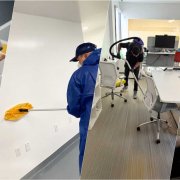
The Evolution of Cleaning Technologies in Educational and Healthcare Facilities

In environments where health and hygiene are paramount, cleaning technologies have continuously evolved to meet the growing demands of educational and healthcare facilities. From traditional manual cleaning methods to advanced automated systems, the industry has undergone a significant transformation. Shine Facility Services stays at the forefront of these advancements, integrating cutting-edge technologies to provide safer, healthier, and more efficient cleaning solutions for schools and healthcare institutions.

Early Cleaning Methods: The Basics of Hygiene

Historically, cleaning practices relied on manual labor and basic tools such as mops, brooms, and simple disinfectants. While effective to some extent, these methods were time-consuming and often left room for human error. Educational facilities used basic sweeping and mopping techniques, while hospitals and clinics implemented rudimentary sanitization practices that lacked the sophistication needed for comprehensive infection control.

The Introduction of Mechanized Cleaning

The 20th century saw the introduction of mechanized cleaning equipment, significantly improving efficiency. Floor scrubbers, vacuum cleaners, and carpet extractors became standard tools in educational and healthcare facilities. These machines not only reduced the labor intensity of cleaning but also improved the thoroughness of dirt and debris removal, setting a new standard in facility maintenance.

The Rise of Chemical Innovations and Green Cleaning

As concerns about environmental impact and health risks associated with harsh cleaning chemicals grew, the industry shifted toward eco-friendly solutions. Green cleaning products, low-VOC disinfectants, and microfiber technology became popular, particularly in schools and hospitals where air quality and chemical exposure were critical concerns. Today, Shine Facility Services prioritizes sustainable cleaning solutions that are both effective and environmentally responsible, ensuring the safety of students, teachers, healthcare workers, and patients.

The Digital Age: Smart Cleaning Technologies

The latest evolution in cleaning technologies involves automation, data-driven cleaning, and electrostatic disinfection. Some of the key advancements include:

  • Electrostatic Sprayers: Used in healthcare and educational settings, these sprayers apply disinfectant evenly across surfaces, ensuring complete coverage and enhanced germ control.
  • Robotic Cleaning Systems: Automated floor scrubbers and robotic vacuums help maintain high-traffic areas in large facilities without constant human oversight.
  • Sensor-Based Cleaning: Smart restrooms and occupancy-based cleaning schedules use IoT technology to optimize janitorial services, ensuring that high-touch areas receive immediate attention.
  • UV-C Disinfection: Ultraviolet light technology is now widely used in hospitals and schools to kill bacteria and viruses, adding an extra layer of protection beyond traditional cleaning.

Shine Facility Services: Bringing the Future of Cleaning to Your Facility

As cleaning technologies continue to evolve, Shine Facility Services remains committed to implementing the latest innovations in janitorial and facility maintenance. We provide tailored cleaning solutions that incorporate state-of-the-art equipment, eco-friendly products, and strategic cleaning protocols to maintain the highest hygiene standards in educational and healthcare environments.

By partnering with Shine Facility Services, you gain access to a team dedicated to enhancing the cleanliness, safety, and efficiency of your facility. Whether you need advanced disinfection techniques, routine maintenance, or a customized cleaning program, our expertise ensures a cleaner, healthier environment for students, staff, patients, and visitors.

In addition to our comprehensive cleaning services, we offer specialized solutions such as our 3X Lab Decontamination Services. This protocol is designed to restore optimal conditions in laboratories through detailed cleaning and validation, ensuring precision and safety in high-precision environments.

Want to learn more about how Shine Facility Services can elevate the cleanliness of your facility? Contact us today for a consultation!

The Role of Cleanliness in Preventing Workplace Illnesses

A clean workplace isn’t just visually appealing—it’s essential for protecting the health of employees and reducing the risk of workplace illnesses. When businesses prioritize cleanliness, they actively contribute to a safer, healthier environment that fosters productivity, minimizes sick days, and demonstrates a commitment to employee well-being. This involves understanding and implementing various levels of cleaning: sanitizing, disinfecting, and sterilizing. Each method serves a distinct purpose and contributes to keeping the workplace safe from pathogens that cause illness. Let’s dive deeper into these cleaning levels, their unique roles, and how businesses can use them to establish an effective workplace cleanliness protocol.

Understanding the Difference: Sanitize, Sterilize, and Disinfect

While these terms are often used interchangeably, sanitizing, disinfecting, and sterilizing have specific meanings and applications:

  • Sanitizing: Sanitizing focuses on reducing the number of bacteria on surfaces to a safe level, as defined by public health standards. This process doesn’t necessarily eliminate all germs but ensures that surfaces are significantly less likely to harbor harmful pathogens. For example, sanitizers are ideal for high-touch surfaces in the workplace, such as doorknobs, desks, phones, and breakroom tables. Effective sanitizers can quickly reduce bacteria like Staphylococcus aureus and Klebsiella pneumoniae by over 99.99%, making them a vital component of any daily cleaning regimen. Sanitizing is generally fast-acting, requiring only seconds to work, making it convenient for daily application without significant interruption to work routines.

  • Disinfecting: Disinfection takes cleaning a step further by targeting a broader range of pathogens, including bacteria, viruses, and fungi. Disinfectants are necessary for areas with a high risk of contamination, such as bathrooms, kitchens, and shared spaces where people gather or interact frequently. Disinfectants can effectively combat pathogens like SARS-CoV-2, Pseudomonas aeruginosa, and Salmonella enterica, which are known to spread illnesses among employees. Disinfection often requires a longer contact time, typically around 10 minutes, to ensure that pathogens are thoroughly eliminated from surfaces. Regular disinfection of high-touch areas, such as light switches, elevator buttons, and handrails, is especially crucial in promoting workplace health.

  • Sterilizing: Sterilization is the most thorough level of pathogen removal, eliminating all forms of microbial life, including bacteria, viruses, spores, and fungi. While sterilization is not typically necessary in standard office settings, it is essential in industries with high hygiene requirements, such as healthcare, food processing, and biotechnology. Sterilization is accomplished through methods like heat, chemicals, or radiation and is critical in preventing workplace contamination that could result in outbreaks, compromised product integrity, or safety risks.

How Each Process Helps Prevent Workplace Illnesses

Each of these cleaning levels plays a unique role in establishing a safe work environment:

  • Sanitizing for Daily Protection: In an active workplace, surfaces become hotspots for germs. Routine sanitizing addresses this by keeping bacterial levels low in high-touch areas like desks, keyboards, and office equipment. By applying sanitizing solutions daily, businesses can significantly reduce the amount of bacteria and viruses that employees come into contact with. This basic yet powerful step is particularly beneficial during cold and flu season, as it lowers the chances of germs being passed between employees.

  • Disinfecting to Eliminate Germs: While sanitizing reduces germs, disinfecting eliminates them. This is critical in areas with high traffic, such as restrooms, breakrooms, and shared spaces, where germs are more likely to spread. Effective disinfectants target a broad spectrum of pathogens, including viruses like hepatitis and bacteria that cause foodborne illnesses, creating a safer environment for employees. Regular disinfection of frequently touched surfaces—like door handles, light switches, and breakroom counters—helps to minimize the spread of pathogens that can lead to illness. Given its efficacy against a range of germs, disinfection is crucial in maintaining a clean and hygienic work setting.

  • Sterilizing for Maximum Safety: In workplaces where safety and cleanliness are paramount, sterilization may be required to maintain a pathogen-free environment. While this level of cleanliness is generally reserved for high-risk sectors, it serves as a safeguard against contamination, particularly in settings that handle sensitive or hazardous materials. Sterilization is a cornerstone in healthcare, biotechnology, and food industries, where even minimal contamination could lead to severe consequences. By implementing sterilization, these industries can guarantee that their environments are entirely free of microbial life, which is essential for both safety and regulatory compliance.

Practical Tips for Integrating Cleaning Levels into the Workplace

A balanced cleaning protocol should incorporate sanitizing, disinfecting, and, where necessary, sterilizing, with each method serving a specific purpose. Here are some strategies for creating an effective cleaning routine that leverages the strengths of each cleaning level:

    1. Daily Sanitizing: Establish a routine for sanitizing high-contact areas daily. Encourage employees to sanitize their personal workspaces, such as desks, keyboards, and phones, to reduce bacterial presence throughout the day. Common areas like meeting rooms, lobbies, and breakrooms should also be sanitized regularly to prevent the spread of germs among employees.
    2. Regular Disinfecting: Schedule frequent disinfection for areas prone to contamination, such as bathrooms, kitchens, and shared workstations. Disinfection is particularly important during periods of increased illness transmission, like flu season. Designate specific times for disinfection to ensure that high-touch surfaces remain as germ-free as possible, contributing to a healthier workplace overall.
    3. Strategic Sterilization: For industries that require it, implement sterilization protocols in high-risk areas where contamination could have significant consequences. Healthcare, food production, and laboratories benefit from periodic sterilization, ensuring these environments meet strict hygiene standards. While sterilization may not be necessary for most workplaces, it’s a critical layer of protection for industries with stringent cleanliness requirements.

Benefits of a Comprehensive Cleaning Protocol

Establishing a multi-level cleaning routine can help businesses realize the full benefits of workplace cleanliness:

  • Reduced Illness and Absenteeism: By reducing the presence of pathogens, businesses can cut down on the spread of contagious illnesses. This leads to fewer sick days and greater employee productivity, as healthier employees are able to focus on their work without the disruption of frequent absences.

  • Enhanced Employee Morale: A clean environment demonstrates a company’s commitment to its employees’ health and safety. When employees see that their workplace is actively maintained for cleanliness, it fosters a sense of well-being and respect, which can lead to higher morale and job satisfaction.

  • Compliance with Health Standards: Industries with specific hygiene requirements can ensure compliance with health regulations through comprehensive cleaning protocols. By implementing the necessary cleaning levels, companies can meet regulatory standards and avoid fines or shutdowns due to non-compliance.

Conclusion

Maintaining a clean and healthy workplace is more than just a routine task—it’s an essential practice that protects employees and contributes to overall productivity. Understanding when and how to apply sanitizing, disinfecting, and sterilizing methods enables businesses to effectively prevent illness and create a welcoming work environment. By establishing a balanced cleaning protocol, companies can safeguard their workforce, reduce the risk of illness, and ultimately create a space where employees can thrive.

A Fresh Start: The Strategic Benefits of Deep Cleaning Your Workplace During the Holiday Break

With the holiday season fast approaching, businesses are preparing for a unique mix of hustle and downtime. For many companies, the holiday break brings a temporary lull in workplace activity, with fewer employees on site and a noticeable reduction in foot traffic. This quieter period presents an ideal opportunity for commercial spaces to undergo a deep clean—a strategic move that goes beyond appearance to impact health, efficiency, and workplace longevity. Here’s why investing in a holiday break deep clean is a smart choice for businesses:

1. Improved Air Quality and Health

Throughout the year, routine cleaning helps maintain basic cleanliness, but allergens and pollutants inevitably build up in carpets, vents, and hard-to-reach areas. Deep cleaning tackles these often-overlooked spaces to promote healthier air quality:

  • Thorough Carpet and Upholstery Cleaning: Techniques like hot water extraction reach deep into carpets, lifting embedded dirt, allergens, and dust mites.
  • HVAC and Vent Cleaning: Clear, dust-free ducts contribute to cleaner air, reducing the spread of allergens and bacteria throughout the office.
  • Sanitizing High-Touch Surfaces: Deep cleaning includes disinfecting frequently touched surfaces, reducing the risk of illness in the workplace.

2. Boosted Morale and Productivity

A clean, organized environment positively impacts employee satisfaction and productivity. After a thorough cleaning, employees return to a workspace that feels inviting and ready for the year ahead:

  • Decluttering and Refreshing: Deep cleaning addresses clutter and disorganization, fostering a neat, streamlined workspace that’s more conducive to focus.
  • Refreshed Work Atmosphere: Employees notice and appreciate a fresh, clean environment, which can lead to increased morale and engagement.
  • Reduced Visual Distractions: A clean workspace minimizes distractions, allowing employees to focus on tasks with fewer interruptions.

3. Prolonged Life of Furnishings and Surfaces

Office furniture and floors are valuable investments, and regular deep cleaning extends their lifespan:

  • Stripping, Waxing, and Buffing Tile Floors and Cleaning Carpets: Deep cleaning can revive carpets and hard floors, preserving their appearance and protecting them from premature wear.
  • Protecting Upholstery and Furniture: Cleaning treatments for office furniture remove grime and prevent fabric damage, giving furnishings a longer life.
  • Maintaining Walls and Windows: Dust and fingerprints on walls and windows accumulate over time. Deep cleaning prevents buildup that can eventually degrade these surfaces.

4. Starting the New Year with a Fresh Perspective

A clean, fresh office sets the tone for a new year of growth, organization, and team wellness:

  • Erasing the Past Year’s Residue: The deep clean clears out any remnants of the past year, helping employees to mentally “start fresh.”
  • Encouraging Cleanliness: A newly deep-cleaned environment encourages employees to maintain cleanliness habits, fostering a tidier workspace overall.
  • Symbolizing a Fresh Start: The concept of a clean slate is a strong motivator, signaling to employees that the company values health, organization, and a positive workplace.

5. Ensuring Health and Safety Compliance

For industries where health standards are critical, a holiday break deep clean is a chance to exceed compliance by thoroughly addressing shared areas:

  • Sanitizing High-Traffic Areas: Kitchens, break rooms, and restrooms are cleaned meticulously, reducing health risks.
  • Preventing the Spread of Illness: A thorough holiday cleanup targets bacteria-prone areas, minimizing the spread of winter illnesses.

5. Ensuring Health and Safety Compliance

For industries where health standards are critical, a holiday break deep clean is a chance to exceed compliance by thoroughly addressing shared areas:

  • Sanitizing High-Traffic Areas: Kitchens, break rooms, and restrooms are cleaned meticulously, reducing health risks.
  • Preventing the Spread of Illness: A thorough holiday cleanup targets bacteria-prone areas, minimizing the spread of winter illnesses.

6. Minimizing Disruptions During Business Hours

The holiday break allows cleaning teams to work more efficiently with fewer disruptions to daily operations:

  • Speed and Flexibility: Without employees on site, cleaning teams can work more effectively and conduct detailed, time-intensive tasks without interference.
  • Reduced Impact on Daily Workflows: Employees return to a pristine, organized space without experiencing the inconvenience of cleaning interruptions.

7. Supporting Sustainability Efforts

Many businesses prioritize eco-friendly practices, and a deep clean during the holiday break is an opportunity to enhance environmental responsibility:

  • Eco-Friendly Cleaning Products: Using sustainable products reduces harmful chemical exposure for both employees and the environment.
  • Reduced Waste: Deep cleaning extends the lifespan of furnishings, minimizing the need for replacements and reducing waste over time.
  • Improved Energy Efficiency: Dust-free light fixtures and HVAC systems operate more efficiently, supporting energy conservation and lowering costs.

Final Thoughts

A holiday break deep clean offers a multitude of benefits for businesses, from improved air quality and boosted employee morale to extended asset life and a sustainable footprint. By starting the new year in a clean, well-maintained space, companies lay the groundwork for a productive, healthy, and organized year ahead.

Mastering Parking Lot Maintenance: Proven Strategies for Safety, Longevity & Curb Appeal

Parking lots play a crucial role in shaping visitors’ first impressions of a property. Whether it’s a commercial building, a retail establishment, or a residential complex, a well-maintained parking lot reflects positively on the facility’s overall management. However, despite their significance, parking lots are often neglected when it comes to cleaning and maintenance. This can lead to a range of problems, including safety hazards, decreased surface longevity, and an uninviting appearance.

Proper parking lot cleaning and maintenance involve a variety of tasks that go beyond basic sweeping. This guide provides an in-depth look at the key practices needed to ensure a parking lot remains clean, safe, and visually appealing over time. We will explore pressure washing, painting and striping, strip and wax applications, scrub and rinse, cobweb removal, and high dusting, all of which play a vital role in preserving the condition of parking areas.

1. Pressure Washing: Removing Embedded Dirt and Grime

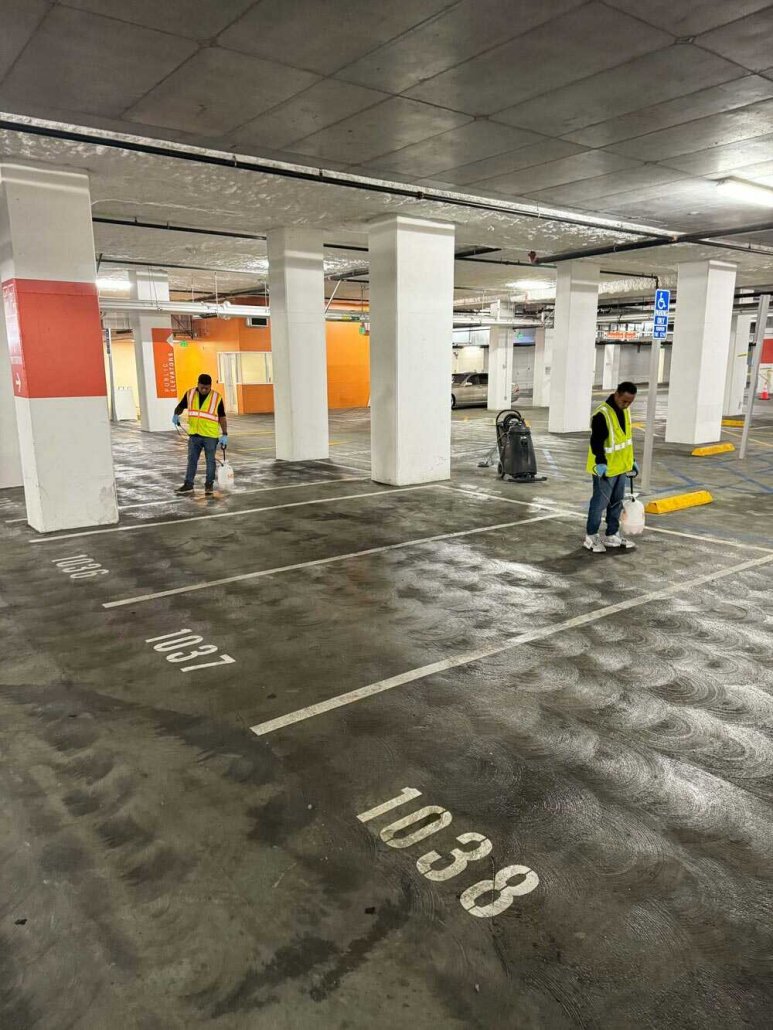
Pressure washing is one of the most effective ways to clean parking lot surfaces, especially in high-traffic areas where oil stains, dirt, and debris accumulate over time. Simply sweeping or hosing down a parking lot is often insufficient to remove embedded dirt and stains. Pressure washing uses high-powered jets of water to dislodge tough contaminants that build up on asphalt and concrete surfaces, such as:

  • Vehicle Fluids: Oil, gasoline, and brake fluid leaks can cause dark stains and contribute to the deterioration of the surface if left untreated.
  • Dirt and Dust: Regular traffic kicks up dust and dirt that settles into the parking surface, creating a grimy appearance over time.
  • Algae and Mildew: In shaded or damp areas, algae, mildew, and mold can thrive, making the surface slippery and potentially hazardous.

Pressure washing helps maintain a clean, safe environment while extending the life of the parking lot. Regular washing also reduces the risk of accidents caused by slippery or damaged surfaces, improving the safety of pedestrians and vehicles.

Best Practice Tip: Schedule pressure washing at regular intervals, especially after weather events or heavy traffic periods, to prevent build-up and keep the lot looking fresh.

2. Painting and Striping: Ensuring Safety and Organization

A well-marked parking lot is essential for both functionality and safety. Over time, the paint used for lines, arrows, and markings can fade due to weather exposure and vehicle traffic. Faded lines not only reduce the lot’s aesthetic appeal but can also cause confusion and increase the risk of accidents. Clear, bright markings are critical for:

  • Traffic Flow: Arrows and directional signs guide drivers safely through the lot, preventing congestion and collisions.
  • Parking Space Designation: Clearly marked parking spaces, including designated handicapped spots, ensure proper use of the lot.
  • Pedestrian Safety: Crosswalks and walkways should be clearly visible to protect pedestrians from oncoming vehicles.

Repainting and restriping the parking lot improves its functionality and appearance, ensuring that drivers and pedestrians can navigate the area safely and efficiently.

Best Practice Tip: Use durable, weather-resistant paints and schedule repainting at least once a year to maintain clear and visible markings.

3. Strip and Wax: Protecting Surfaces from Wear and Tear

While strip and wax treatments are commonly associated with indoor flooring, they can also be applied to specific types of outdoor surfaces, including parking lots. Strip and wax involves removing old layers of wax or sealant from the surface and applying a new, protective layer. This method is particularly effective in high-traffic areas where surfaces are exposed to constant wear and environmental factors, such as:

  • Heavy Vehicle Traffic: Parking lots experience constant vehicle movement, which causes friction and wear on the surface.
  • Weather Exposure: Rain, snow, and extreme temperatures can degrade the surface, leading to cracks and potholes.
  • Chemical Spills: Leaking oil, gasoline, and other chemicals can erode the surface if not properly protected.

By applying a fresh layer of wax or sealant, the surface becomes more resistant to damage from these factors. Strip and wax also creates a smoother surface, making it easier to clean in the future and reducing the chances of dirt and debris becoming embedded in the material.

Best Practice Tip: Schedule strip and wax treatments regularly, especially in areas with heavy traffic or exposure to harsh weather conditions, to maintain a protective barrier on the parking lot surface.

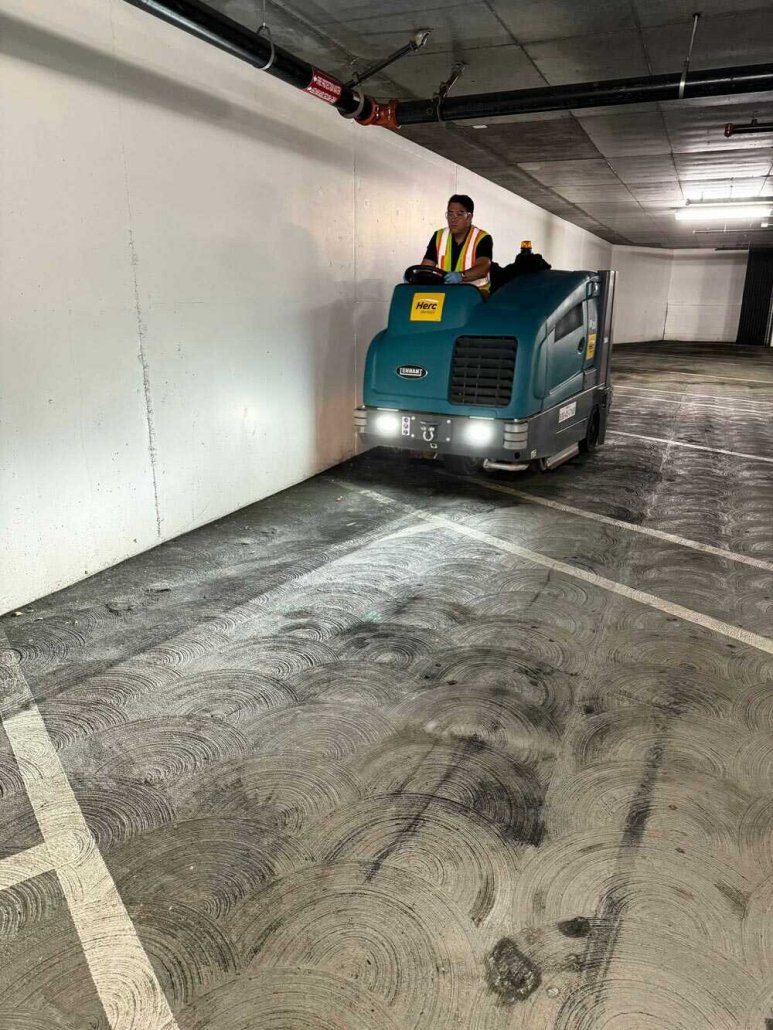
4. Scrub and Rinse: Deep Cleaning for Stubborn Stains

Even with regular pressure washing, some parking lot surfaces may develop deep-set stains or tire marks that require more intensive cleaning methods. Scrubbing and rinsing provide a deeper clean, targeting areas that are heavily stained or have a significant build-up of grime. This process involves:

  • Scrubbing: Specialized equipment is used to scrub the surface, dislodging dirt, tire marks, and other stubborn materials that may not come off with pressure washing alone.
  • Rinsing: After scrubbing, the surface is thoroughly rinsed to remove any remaining dirt or cleaning solutions, leaving the area clean and safe for use.

Scrub and rinse services are particularly useful for maintaining concrete and asphalt surfaces, which are prone to collecting dirt in their porous textures. By removing embedded materials, the surface remains in good condition, and potential damage is prevented.

Best Practice Tip: Incorporate scrubbing and rinsing into your regular maintenance schedule for areas with heavy foot or vehicle traffic to prevent long-term stains.

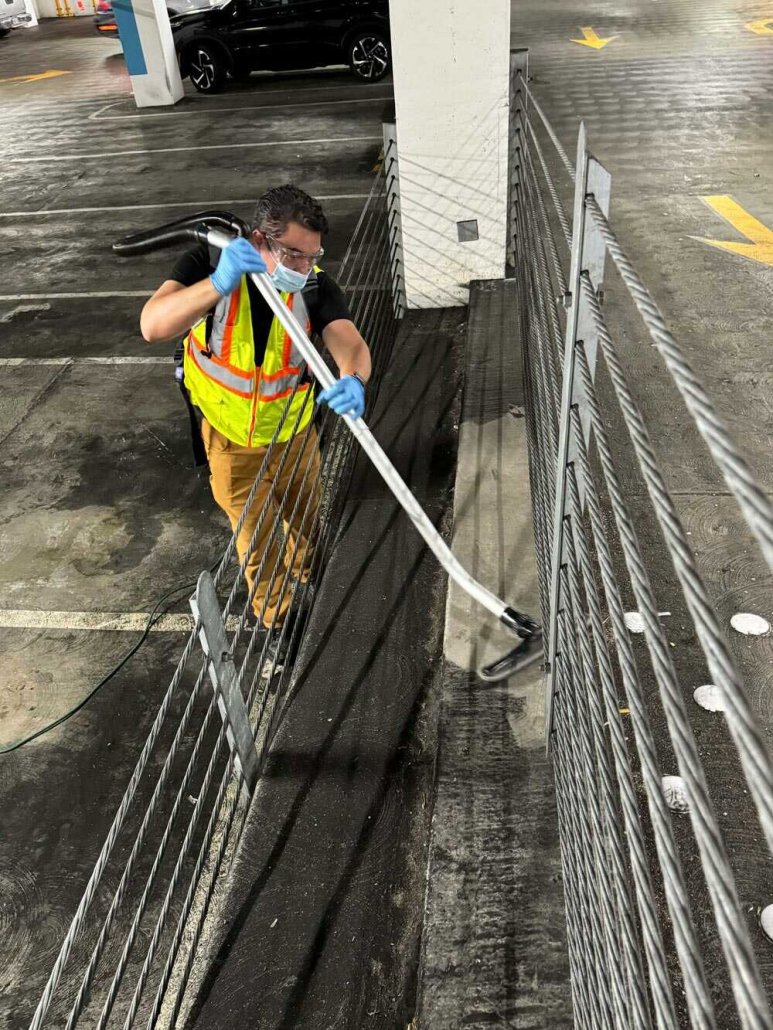
5. Cobweb Dusters and Vacuums: Reaching Hard-to-Clean Areas

Parking structures, especially multi-level lots, can accumulate cobwebs and dust in high, hard-to-reach areas. This can create an unkempt appearance and may even attract pests. Using specialized cobweb dusters and vacuums allows maintenance teams to clean these often-neglected areas, including:

  • Ceilings and Overhangs: Cobwebs and dust can gather in the corners of ceilings, walls, and structural supports.
  • Light Fixtures: Dust and debris can collect on lights, reducing their brightness and contributing to a gloomy atmosphere.

By regularly removing cobwebs and dust from these areas, the parking lot maintains a clean, welcoming appearance, and potential pest issues are minimized.

Best Practice Tip: Schedule cobweb dusting and vacuuming as part of your routine cleaning process, especially in areas that are more prone to pests or heavy dust build-up.

6. High Dusting: Maintaining Cleanliness Above Eye Level

High dusting is another important aspect of parking lot maintenance, especially in structures with high ceilings, beams, or pipes. Dust and debris can accumulate in these areas over time, affecting not only the appearance of the space but also its functionality. High dusting involves:

  • Dusting Ceilings, Beams, and Fixtures: Removing dust from high areas prevents it from falling onto the parking surface or vehicles below.
  • Maintaining Light Fixtures: Dust-covered lights may not provide adequate illumination, which can compromise safety in dimly lit areas.

By keeping high areas clean, the entire parking structure benefits from improved air quality, better lighting, and an overall cleaner appearance.

Best Practice Tip: High dusting should be done regularly in parking structures with high ceilings or exposed fixtures to prevent the accumulation of dust and debris.

Final Thoughts

Parking lot cleaning and maintenance require a thoughtful approach that addresses not only surface cleaning but also the upkeep of surrounding areas, high structures, and markings. By integrating pressure washing, painting and striping, strip and wax applications, scrub and rinse, cobweb dusting, and high dusting into a regular maintenance schedule, you can keep your parking lot safe, functional, and visually appealing year-round.

Understanding the importance of these practices helps facility managers and property owners make informed decisions about their parking lot care, ultimately benefiting everyone who uses the space.

Safeguard Your Electronics: Understanding ESD Strip and Wax for Your Computer Server Room

When it comes to floor care, not all surfaces are created equal. High-traffic areas, commercial spaces, and industrial facilities often face unique challenges that go beyond basic cleaning. One such challenge is controlling electrostatic discharge (ESD), a critical concern in environments where sensitive electronics are present, such as mainframe computer rooms. The ESD strip and wax process plays a pivotal role in creating a static-free environment. But what exactly is it, and why is it important? In this blog, we’ll break down the essentials of ESD floor care, how it works, and why it’s essential for safeguarding your electronics.

What is ESD, and Why Does It Matter?

Electrostatic discharge (ESD) happens when static electricity, typically generated by friction between two surfaces, suddenly transfers from one object to another. While ESD is harmless to people, it can seriously damage electronics. In environments such as computer server rooms, labs, or manufacturing facilities where sensitive equipment is used, even a small static shock can result in costly damage, data loss, or equipment failure.

To combat this, maintaining floors with ESD strip and wax treatments helps prevent static electricity from building up, reducing the chances of such expensive incidents.

What Are ESD Floors?

ESD floors are specifically designed surfaces that either dissipate or safely conduct static electricity to the ground. These floors are essential in environments where static control is crucial to the safety and functionality of equipment. ESD floors are typically made from materials like conductive vinyl, rubber, or epoxy, and they can be coated with specialized ESD wax to enhance their ability to manage static electricity.

ESD Wax vs. Regular Wax: What’s the Difference?

While both ESD wax and regular wax provide a protective layer for floors, their composition and functionality are quite different:

– ESD Wax: This wax contains conductive properties that help dissipate static electricity, preventing its buildup. It works in tandem with ESD flooring to create a continuous path for static to safely discharge, protecting sensitive electronics and environments like mainframe computer rooms.

– Regular Wax: Regular wax provides a glossy, protective finish but lacks the conductive properties necessary to manage static electricity. In fact, regular wax could contribute to static buildup, posing a greater risk to sensitive equipment.

What is the ESD Strip and Wax Process?

ESD strip and wax is a specialized floor care process designed to control and manage static electricity. Here’s a breakdown of how it works:

    1. Stripping the Old Finish:

The first step is removing the old layers of wax or polish, known as “stripping.” This ensures any dirt, grime, or old coatings are removed, which could otherwise interfere with the effectiveness of the new ESD wax. Unlike standard floor stripping methods, ESD floors require special care to maintain their conductive properties.

    1. Prepping the Floor:

After stripping, the floor is thoroughly cleaned and neutralized to remove any residues that might impact the new coating’s ability to control static.

    1. Applying the ESD Wax:

Once prepped, a specialized ESD wax is applied. This wax contains conductive properties that help dissipate static electricity, preventing it from building up on the surface. Multiple layers may be applied to create an effective static control barrier.

    1. Buffing and Polishing:

The final step involves buffing the floor to a smooth, high-gloss finish. While the floor may look like any other beautifully waxed surface, it now has an invisible layer of protection against ESD, along with enhanced aesthetics.

Where is ESD Strip and Wax Necessary?

Not every facility requires ESD strip and wax treatments, but it is vital in environments where sensitive electronics or specialized equipment are used. Common examples include:

– Mainframe Computer Rooms: Static control is essential to prevent catastrophic hardware failure or data loss.

– Data Centers: ESD floors protect sensitive servers, networking equipment, and storage systems from static-related shutdowns.

– Electronics Manufacturing: Production lines creating delicate electronics, such as semiconductors, need static control to avoid component damage.

– Cleanrooms: In industries like pharmaceuticals, biotechnology, and aerospace, cleanroom environments benefit from ESD flooring to protect sensitive equipment.

– Healthcare Facilities: Specialized medical equipment, such as MRI and X-ray machines, rely on ESD flooring for smooth, uninterrupted operation.

– Aerospace and Defense: ESD flooring is crucial in industries where even minor malfunctions can have severe consequences.

– Automotive Electronics Manufacturing: Modern vehicles are equipped with complex electronic systems, making ESD protection vital in manufacturing plants.

The Benefits of ESD Floor Care

The primary benefit of ESD strip and wax is reducing the risk of electrostatic discharge, but there are other advantages as well:

– Improved Safety: ESD prevention helps protect both equipment and personnel from accidents or malfunctions caused by static discharge.

– Extended Equipment Lifespan: Controlling ESD prolongs the life of sensitive electronics, reducing the need for costly repairs or replacements.

– Enhanced Aesthetic Appeal: Beyond its functional benefits, ESD wax also leaves floors looking clean and polished, giving your facility a professional appearance.

How Often Should ESD Strip and Wax Be Performed?

Like any specialized floor care treatment, the frequency of ESD strip and wax depends on factors such as foot traffic and the type of facility. High-traffic areas may need quarterly treatments, while lower-traffic spaces can go longer between applications. It’s essential to monitor the condition of your floors and schedule treatments before static buildup becomes a concern.

Invest in ESD Floor Care for Critical Spaces

While ESD strip and wax may seem like a niche service, it plays an essential role in protecting valuable electronics and ensuring a safe working environment. Understanding the process and its benefits allows facility managers to make informed decisions about their floor care needs. Proper ESD maintenance not only protects technology but also creates a safer, more efficient environment.

If you’re managing a mainframe computer room, data center, electronics manufacturing plant, or any other facility with sensitive equipment, maintaining your floors with ESD strip and wax is a smart investment to prevent the hidden dangers of static electricity.